A silver quote in Mumbai may differ from one in Chennai on the same day. That does not mean the metal changed just because it crossed a city border. Local supply, shop costs and the way a quote is shown can explain the gap. These checks help show if two prices are for the same thing.
1. Start with the type of rate
Silver Rate Today can refer to a bullion rate, a shop quote or an exchange price. Each has a different use. A city page may show a guide rate that shops are not bound to follow.
A seller may add a charge above the base metal rate. A futures quote relates to a contract with a set expiry. Neither is the full price of a silver bowl or chain. Check what the quote covers before you compare cities.
2. Check the base price
Indian silver prices are linked to world prices and the rupee’s value against the US dollar. Import costs also affect the local market. These forces can move rates in many cities at once.
They do not explain each gap between two shops. Both sellers may face the same world price but have different stocks, costs and margins. A city rate is a local quote or guide, not a world market of its own. Some cities may even show the same rate on a given day.
3. Look at local demand and stock
Demand for silver gifts, coins and household items can rise around festivals and weddings. If a shop runs short of an item, its charge above the metal value may rise.
Fresh supplies can ease that pressure. Yet demand alone does not prove why a city quote changed. A lack of gift coins need not cause the same change in bulk silver bars. Check if the gap is for raw metal or a finished item.
4. Account for supply costs
Silver passes through a chain of firms to reach shops. Freight, safe storage and cover against loss can add costs. Sellers may add some of these costs to their rates.
A city’s distance from a supply hub may play a role. But it is not a fixed price rule. Order size, supplier terms and stock already held can also matter. Two shops on the same street can quote different prices. Each city need not have one rate used by every shop.
5. Match the purity and product
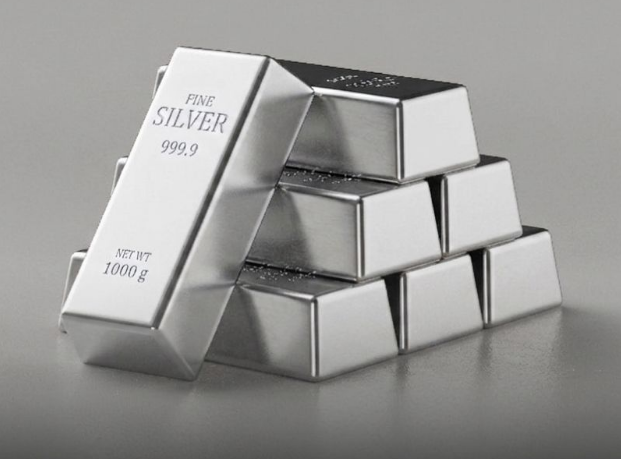
Silver marked 999 has a silver content of 99.9%. The 925 grade contains 92.5% silver. They are different grades. Their prices do not refer to the same silver content.
Product type matters as well. A plain bar and a crafted anklet involve different work and costs. Design, finish and gift packs can affect the full bill. Use the same grade and type of item for each city. Check the purity mark and the bill rather than judging the item by its shine.
6. Check tax and extra charges
Read whether a quote includes GST. A rate before tax will differ from one with tax added, even if the metal value is the same. That gap does not prove a city price gap.
Do not assume each city sets a separate GST rate for the same silver product. Tax rules depend on the type of goods and supply. Ask for a bill that lists metal value, making charges, tax and fees. This makes clear which costs belong to the item and which belong to the metal.
7. Compare units and timestamps
Silver rates may appear per gram, per ten grams or per kilogram. Convert them to the same unit. For example, an assumed ₹1,00,000 per kilogram equals ₹100 per gram. These figures show the maths, not live rates.
A quote of ₹102 per gram is ₹2 per gram above that sample rate. Yet purity, taxes and timing must still match. A morning quote and an evening quote may differ due to market moves. Check the date and time on both pages. Do not assume the gap is due to the city.
8. Keep a clear record
Record the city, seller, date, time, purity, unit and included charges. Use the same sources when tracking changes across days. Confirm a website’s guide rate with the seller before using it to estimate a bill.
The same method applies when checking Gold Rate Today. Yet gold and silver have different sources of demand. A change in one metal does not mean the other must move by the same amount.
Conclusion
Silver rates can differ across cities due to local supply, seller costs and premiums. Some gaps come from purity, units, timing or taxes included in a quote. Match the details and check the full bill to see what each price means.