Industrial machinery depends on strong, reliable components to operate efficiently under demanding working conditions. From heavy manufacturing equipment to agricultural machines and construction systems, individual parts must withstand mechanical stress, vibration, friction, and repeated use. Iron castings play an important role in meeting these requirements because they offer a practical combination of strength, durability, machinability, and design flexibility.
The performance of a machine is closely connected to the quality of its structural and mechanical components. Selecting suitable casting materials and manufacturing methods helps improve equipment stability, operational consistency, and service life. Working with an experienced Iron Castings Manufacturer can help machinery producers obtain components designed to meet specific engineering requirements and operating conditions.
The Importance of Iron Castings in Industrial Machinery
Iron castings are widely used in machinery because molten iron can be shaped into complex components with different sizes, wall thicknesses, and structural features. This flexibility allows manufacturers to produce parts that would be difficult or expensive to create through other manufacturing processes.
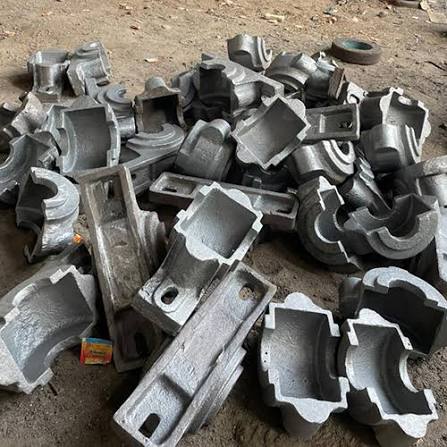
Common applications include machine bases, housings, engine blocks, pump bodies, gearbox casings, brackets, and support structures. These components often serve as the foundation for mechanical systems, helping maintain alignment and support moving parts during operation.
Depending on the application, manufacturers may select gray iron, ductile iron, or other suitable iron grades. Each material offers different mechanical properties, making material selection an important part of equipment design.
How Iron Castings Improve Machine Strength and Stability
Industrial machines frequently operate under heavy loads and continuous mechanical stress. Their structural components must support these forces without excessive deformation or premature failure.
Iron castings provide the necessary structural support for many demanding applications. Their mechanical properties allow them to carry substantial loads when the material grade, component geometry, and manufacturing process are properly selected.
Machine frames and bases made from iron castings can help maintain the positioning of critical components. This stability is particularly important in equipment where accurate alignment affects product quality, mechanical movement, and overall operating performance.
Vibration Damping for Smoother Operation
Vibration is a common challenge in industrial machinery. Excessive vibration can affect machining accuracy, increase noise, loosen fasteners, and accelerate wear in connected components.
Gray iron is especially valued for its vibration-damping characteristics. Its graphite structure helps absorb and dissipate mechanical vibrations, making it useful for machine beds, frames, housings, and other stationary structures.
Effective vibration damping can contribute to smoother equipment operation and improved dimensional accuracy. In precision machinery, this property may also help reduce unwanted movement during cutting, grinding, and other machining operations.
Supporting Heat Management in Machinery
Many industrial machines generate heat through friction, compression, electrical operation, and continuous mechanical movement. Components must handle these temperature changes without losing their required mechanical properties.
Iron castings can contribute to heat management through their thermal characteristics and ability to form complex shapes. Properly designed housings and structural components can support the distribution of heat within mechanical systems.
The selected iron grade, component thickness, and operating environment all influence thermal performance. Engineers should consider these factors when designing cast parts for engines, pumps, compressors, and other equipment that operates at elevated temperatures.
Improving Wear Resistance and Component Durability
Machinery components are exposed to different forms of wear, including abrasion, friction, impact, and repeated contact with other surfaces. The severity of wear depends on operating speed, load, lubrication, temperature, and environmental conditions.
Iron castings can provide suitable wear resistance when the correct material composition and treatment are selected. Certain grades are particularly useful in applications involving sliding contact, abrasive materials, or continuous mechanical movement.
Durable cast components can help reduce the frequency of repairs and replacements. However, wear resistance should always be evaluated according to the actual working conditions rather than assuming that one iron grade is suitable for every application.
The Role of Precision in Machinery Performance
Industrial equipment often requires components with accurate dimensions and carefully controlled surface characteristics. Even small dimensional differences can affect assembly, alignment, sealing, and the movement of connected parts.
Casting establishes the basic shape of a component, while machining helps achieve the required dimensions and tolerances. Critical areas such as mounting surfaces, bearing seats, threaded holes, and sealing faces may require additional machining after casting.
The combination of suitable casting design and accurate machining helps ensure that components fit properly within larger assemblies. Consistent dimensional control also supports predictable equipment performance during installation and operation.
Common Industrial Machinery Applications
Iron castings are used across a wide range of equipment because different iron grades can meet various structural and mechanical requirements.
Some common applications include:
- Machine tools: Cast iron beds, frames, and bases provide stability and help reduce vibration during precision operations.
- Pumps and compressors: Cast housings and bodies support internal mechanisms and help maintain structural integrity.
- Construction equipment: Engine components, brackets, and housings must withstand demanding loads and working environments.
- Agricultural machinery: Gearbox casings, support structures, and mechanical housings contribute to reliable field operation.
- Industrial engines: Cylinder blocks and other cast components provide structural support and help manage operating temperatures.
- Material handling systems: Frames, rollers, and supporting components help carry loads in continuous-duty equipment.
The specific casting material and design depend on the machine’s function, expected loads, and environmental conditions.
Choosing the Right Iron Material for Equipment Requirements
Material selection has a direct influence on the performance and service life of cast machinery components. Different iron grades offer different combinations of strength, hardness, ductility, machinability, and vibration damping.
Gray iron is commonly selected for machine bases, housings, and components where vibration control and machinability are important. Ductile iron is often preferred for parts exposed to higher tensile loads or impact because it generally offers greater strength and ductility.
Engineers should evaluate several factors before selecting a material:
- Mechanical loading: Determine the static and dynamic forces the component must withstand.
- Operating environment: Consider temperature, moisture, chemicals, dust, and abrasive exposure.
- Required durability: Assess expected service life and the consequences of component failure.
- Machining requirements: Identify the dimensional tolerances and surface finishes needed.
- Production considerations: Compare material availability, casting complexity, machining needs, and overall manufacturing costs.
A careful evaluation helps prevent material mismatches that could reduce equipment reliability or increase maintenance requirements.
How Manufacturing Quality Affects Equipment Reliability
Even when the correct material is selected, poor manufacturing quality can compromise the performance of a cast component. Issues such as porosity, shrinkage cavities, cracks, inclusions, and dimensional inaccuracies may weaken parts or interfere with assembly.
Reliable casting production requires control over raw materials, melting temperatures, mold preparation, pouring conditions, and cooling rates. These factors influence the internal structure and final properties of the component.
Inspection and testing are equally important. Depending on the application, manufacturers may use dimensional inspection, hardness testing, tensile testing, visual examination, and non-destructive testing to evaluate product quality.
Consistent manufacturing practices help machinery producers reduce defects, maintain assembly accuracy, and achieve more predictable performance.
The Benefits of Custom Iron Casting Solutions
Industrial machinery manufacturers often require components with specialized shapes, dimensions, and mechanical properties. Standard parts may not meet every design requirement, particularly when equipment operates under unusual loads or in challenging environments.
Custom iron casting allows engineers to develop components around specific equipment needs. Mold design can accommodate complex geometries, integrated features, and different wall thicknesses while reducing the need for multiple separately manufactured parts.
Custom solutions can also support improvements in weight distribution, structural strength, and assembly efficiency. However, successful results depend on cooperation between design engineers, casting specialists, and machining teams throughout the development process.
Reducing Maintenance and Operating Costs
The quality of cast components can influence the long-term cost of operating industrial machinery. Parts with suitable strength, dimensional accuracy, and wear resistance are less likely to require frequent replacement under their intended working conditions.
Reliable components can help reduce unexpected downtime, repair expenses, and production interruptions. They may also support more stable machine operation, allowing businesses to maintain consistent manufacturing schedules.
Although higher-quality castings may involve greater initial production costs, evaluating total service life can provide a more realistic understanding of their economic value. Buyers should consider maintenance frequency, replacement availability, and operating conditions when comparing component options.
Conclusion
Iron castings contribute to industrial machinery performance by providing structural strength, vibration damping, thermal stability, wear resistance, and design flexibility. Their applications range from machine frames and pump housings to engine blocks and heavy equipment components. Choosing the appropriate iron grade and maintaining strict manufacturing standards are essential for achieving reliable results.
As industrial equipment continues to demand greater efficiency and durability, well-designed cast components remain important to modern machinery production. Careful material selection, precision machining, and consistent quality inspection help ensure that iron castings meet the mechanical and operational requirements of different industries.