The neon sign manufacturing industry has experienced significant changes with the introduction of modern lighting technology, digital design tools, and advanced production equipment. Traditional neon signs were once widely recognized for their glass tubing and bright illumination, but today’s businesses have access to more flexible, energy-efficient, and customizable signage solutions. These developments have changed how signs are designed, manufactured, tested, and installed.
A professional Neon Sign Manufacturer now combines creative design capabilities with modern production techniques to meet changing customer expectations. From LED-based lighting systems to computer-assisted manufacturing, technology has made it possible to produce detailed signage with greater design flexibility and improved production consistency. Understanding these developments provides useful insight into the industry’s direction and the benefits available to modern businesses.
1. The Transition from Traditional Neon to LED Technology
One of the most noticeable changes in the industry is the growing use of LED neon technology. Traditional neon signs use glass tubes filled with gas that produce illumination when electricity passes through them.
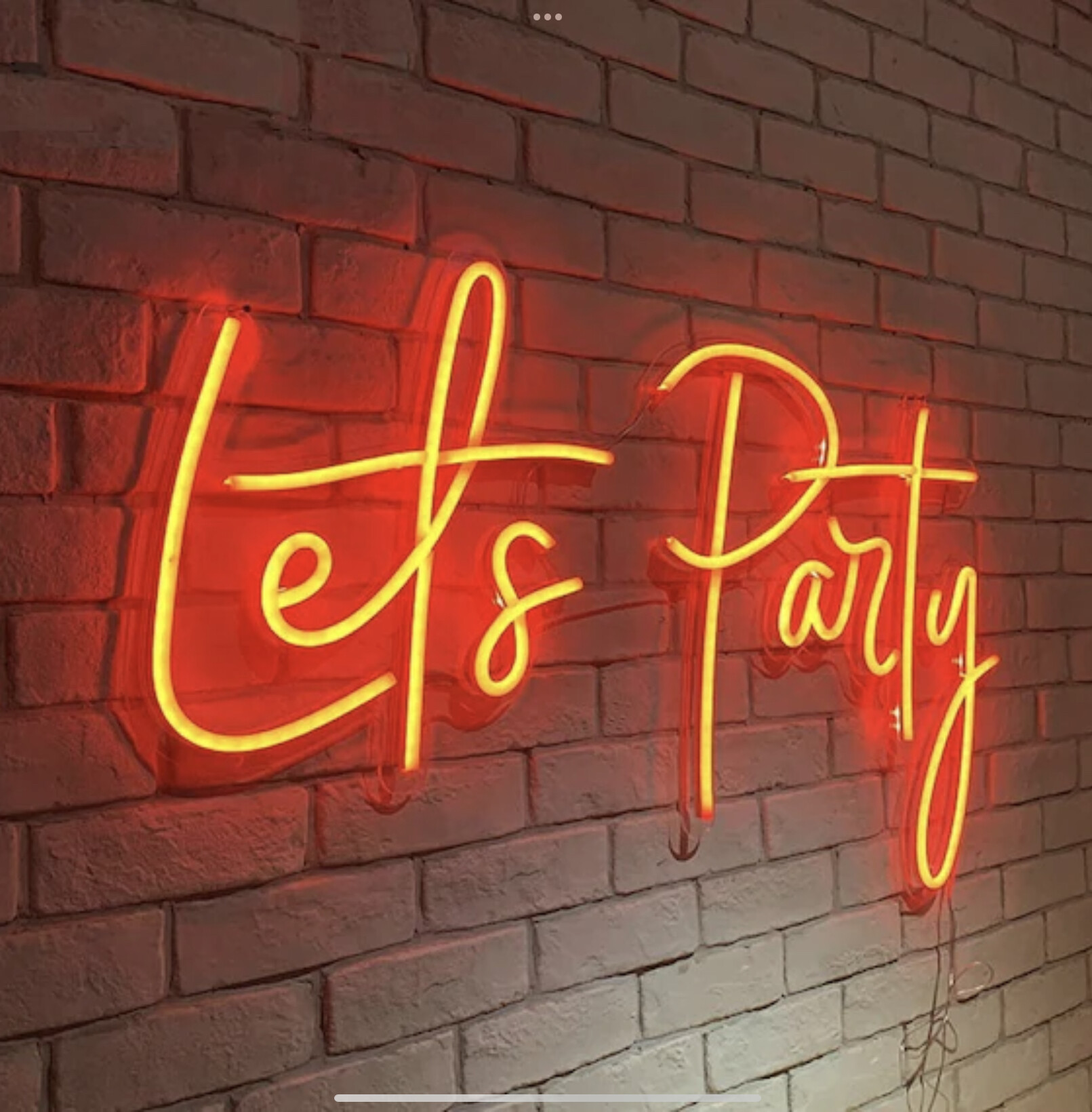
Although these signs remain popular for certain applications, LED alternatives have introduced several practical advantages. Flexible LED strips enclosed in protective silicone or PVC housing can recreate the appearance of traditional neon while supporting different shapes and lettering styles.
Some important advantages include:
- Generally lower electricity consumption.
- Reduced heat generation.
- Greater flexibility in design.
- Lightweight construction.
- Easier installation in many applications.
- Reduced risk of glass breakage.
This transition has expanded the range of signage options available to businesses while creating new opportunities for customized lighting designs.
2. Digital Design Software and Visualization Tools
Digital design technology has transformed the early stages of neon sign production. Instead of relying entirely on manual sketches, manufacturers can now use specialized software to create accurate digital representations of custom signage.
These tools allow designers to experiment with different fonts, colors, dimensions, layouts, and lighting arrangements before physical production begins.
Digital mockups also make customer collaboration easier. Businesses can review proposed designs, request modifications, and approve final specifications without repeatedly creating physical samples.
For complex logos and detailed lettering, digital visualization helps identify potential design limitations early in the process. This can reduce unnecessary revisions and improve communication between customers and production teams.
3. Advanced Cutting and Manufacturing Equipment
Modern manufacturing equipment has improved the accuracy and consistency of many production processes. Computer-controlled cutting systems, precision tools, and specialized bending equipment help manufacturers prepare materials according to approved design specifications.
For example, acrylic backing boards can be cut into customized shapes with accurate dimensions and clean edges. Flexible LED tubing can then be positioned to follow lettering, symbols, and decorative patterns.
Automation and precision equipment can also reduce certain manual production tasks, helping manufacturers manage orders more efficiently.
However, skilled technicians remain essential for component assembly, electrical connections, and final finishing. Technology improves the production process, but professional workmanship continues to determine much of the finished product’s quality.
4. Improvements in LED Lighting Performance
Developments in LED technology have expanded the possibilities for custom illuminated signage. Modern LED components are available in different colors, brightness levels, and configurations, allowing manufacturers to create designs for a wider range of commercial environments.
Improved lighting options make it easier to produce signs that suit different applications, including retail storefronts, restaurants, offices, entertainment venues, and hospitality spaces.
Manufacturers can also select lighting configurations according to the required visual effect and operating conditions.
Important considerations include brightness consistency, color accuracy, power consumption, and component compatibility. These factors help determine whether a particular LED system is suitable for the intended signage application.
5. Greater Customization Through Flexible Materials
Modern materials have made custom neon signage more adaptable to different design requirements. Flexible LED tubing allows manufacturers to create curved lettering, decorative outlines, symbols, and customized logos.
Acrylic backing materials also support a variety of shapes and mounting arrangements. Depending on the project, manufacturers can offer clear, colored, or customized backing options.
These developments have made it easier for businesses to create signage that reflects their branding rather than choosing from limited standard designs.
Customization is particularly valuable for companies with distinctive logos, specific brand colors, or unusual installation spaces.
6. Smart Lighting and Advanced Control Options
Another development influencing the signage industry is the availability of more advanced lighting controls.
Depending on the LED system, modern signs may support dimming, brightness adjustments, color-changing effects, or remote operation. Some products can also integrate with compatible controllers and smart lighting systems.
These features give businesses greater control over how their signage appears in different environments.
For example, a restaurant may prefer softer illumination during certain operating hours, while an entertainment venue may use changing lighting effects to complement its atmosphere.
However, available features vary between products. Businesses should confirm controller compatibility, electrical requirements, and operating functions before ordering customized signs.
7. Better Quality Control Through Testing Technology
Technology has also improved how manufacturers inspect and test finished signage. Electrical testing equipment and standardized inspection procedures help identify potential issues before products are delivered.
Manufacturers can check lighting performance, power supply compatibility, electrical connections, and overall functionality.
Digital design specifications can also be used as references during final inspections to confirm that the completed sign matches the approved layout.
A structured quality control process is particularly important for customized orders, where differences in dimensions, colors, and lighting arrangements can affect the final result.
Although testing equipment supports more consistent inspections, experienced technicians are still necessary to identify visual and structural defects.
8. Energy Efficiency and Environmental Considerations
Energy efficiency has become an important purchasing consideration for businesses operating illuminated signage for extended periods.
LED neon technology generally consumes less electricity than traditional glass neon lighting. Its lower heat generation can also provide practical benefits in commercial environments.
Modern manufacturing methods may also help reduce material waste through more accurate digital measurements and precision cutting.
Businesses should nevertheless consider the complete product specifications rather than assuming every LED sign offers the same energy performance.
Power consumption depends on factors such as LED quality, sign dimensions, brightness settings, power supply efficiency, and operating hours.
Selecting appropriate components can help businesses balance visual performance with energy requirements.
9. Faster Production and Improved Order Management
Modern technology has helped manufacturers organize production processes more efficiently. Digital artwork, standardized specifications, and precision equipment can simplify communication between design and manufacturing teams.
These improvements may reduce preparation time and make it easier to manage customized orders with different dimensions and requirements.
Digital communication tools also allow customers to review designs, approve changes, and receive production updates more conveniently.
However, production timelines still depend on order complexity, material availability, manufacturing capacity, and shipping arrangements. Businesses should confirm realistic schedules before placing orders, particularly when signage is needed for a specific event or opening date.
How Technology Is Changing Customer Expectations
As signage technology develops, businesses increasingly expect more than basic illuminated lettering. They often look for products that combine creative design, energy efficiency, customization, and convenient installation.
Customers may also expect digital previews, clearer product specifications, flexible design revisions, and improved communication during manufacturing.
These expectations encourage manufacturers to improve their design services, production systems, and quality control procedures.
At the same time, businesses need to understand which technological features are genuinely useful for their applications. More advanced lighting controls or complicated designs are not always necessary for every signage project.
What Businesses Should Consider When Choosing a Modern Signage Supplier
Technology can improve manufacturing capabilities, but businesses should still evaluate the supplier behind the finished product.
Before selecting a manufacturer, consider:
- Production capabilities: Check whether the company uses suitable equipment and manufacturing methods.
- Material specifications: Ask about LED components, protective housing, backing materials, and power supplies.
- Customization options: Confirm whether the manufacturer can reproduce your logo and preferred design accurately.
- Quality testing: Understand how products are inspected before shipment.
- Technical support: Check whether installation guidance and warranty assistance are available.
- Production timelines: Confirm realistic manufacturing and delivery estimates.
Evaluating these factors helps businesses distinguish between suppliers that simply offer modern-looking products and those with the technical capabilities to manufacture reliable custom signage.
Final Thoughts
Modern technology is transforming the neon sign manufacturing industry through improved LED lighting, digital design software, precision equipment, flexible materials, and more advanced quality control procedures. These developments have expanded customization opportunities while making many signage solutions more energy-efficient and adaptable to different business environments.
However, technology alone does not guarantee a successful product. Material selection, technical expertise, careful assembly, electrical safety, and consistent inspections remain essential throughout manufacturing.
For businesses planning custom signage, understanding these industry developments can help identify useful features and make better purchasing decisions. Choosing a manufacturer that combines modern production capabilities with reliable workmanship can result in signage that supports brand identity, practical performance, and long-term business needs.