Selecting fitness equipment for a commercial facility involves more than finding products that look suitable. Gyms, hotels, sports clubs, rehabilitation centers, and fitness studios need equipment that can withstand regular use while fitting their available space, customer expectations, and operational requirements.
Choosing the right Fitness Equipment Manufacturer can make the purchasing process more manageable by providing access to appropriate product designs, manufacturing expertise, and technical support. Before committing to an order, businesses should examine several factors to determine whether a manufacturer can meet both immediate and long-term needs.
Define Your Equipment Requirements
Start by identifying exactly what your facility needs. The required equipment will depend on the type of business, target users, available floor area, and training programs being offered.
A commercial gym may require a combination of strength and cardio equipment, while a boutique studio may focus on functional training or specialized machines. Creating a detailed equipment list helps narrow down suitable manufacturers.
Examine the Product Range
A manufacturer’s product range can indicate whether it is capable of supporting your overall project. Look for product categories that align with your facility’s current requirements.
You may need equipment such as:
- Strength-training machines
- Free-weight equipment
- Benches and racks
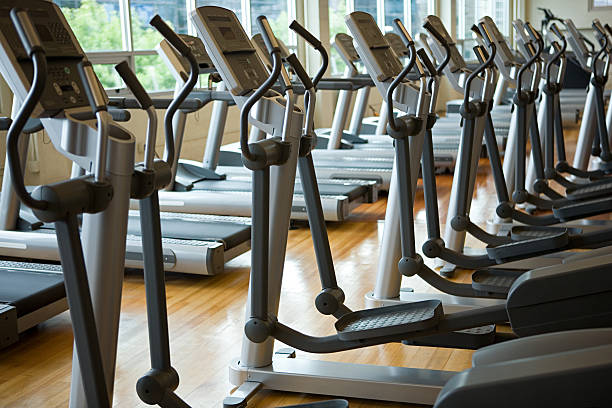
- Cardio equipment
- Functional training systems
- Accessories and supporting equipment
A manufacturer with compatible product options can simplify purchasing when several equipment categories are needed.
Assess Build Quality
Fitness equipment in commercial environments can experience frequent use throughout the day. The quality of materials and construction therefore deserves careful attention.
Review frame construction, moving components, upholstery, adjustment systems, handles, cables, and other parts that experience repeated contact or mechanical stress.
Rather than relying only on product photographs, request detailed specifications and information about the materials and manufacturing processes used.
Consider Durability
Durability is closely connected to the equipment’s intended environment. Products designed for occasional home use may have different construction requirements from equipment intended for a busy commercial facility.
Ask about expected usage, load capacities, component durability, and testing procedures. The manufacturer should be able to explain how its equipment is designed to handle the intended level of use.
Review Manufacturing Experience
Experience can be an important consideration when comparing manufacturers. Companies with established production processes may have greater familiarity with commercial orders, product consistency, packaging, and international requirements.
Ask how long the manufacturer has been producing fitness equipment and what types of customers or projects it typically serves.
This information can help you understand whether its manufacturing capabilities align with your project.
Check Quality-Control Procedures
Quality control should be considered throughout the manufacturing process rather than only at final inspection.
Ask whether components are inspected before assembly and whether finished products undergo functional or structural checks before shipment.
For larger orders, businesses can also establish agreed inspection procedures and product specifications before production begins.
Evaluate Customization Options
Some businesses require equipment with specific branding, colors, dimensions, or configurations. Customization can help equipment fit a particular facility concept or corporate identity.
If customization is important, clarify what options are available and whether there are minimum order quantities. You should also ask how customization affects pricing, production schedules, and sample approval.
Having these details confirmed before ordering can reduce misunderstandings.
Consider Certifications and Standards
Depending on the destination market and equipment type, certain standards or certifications may apply. Businesses purchasing internationally should determine which requirements are relevant to their location.
Request documentation for applicable certifications and testing. Make sure the documentation corresponds to the specific products being purchased.
This is particularly important when equipment will be installed in a commercial facility subject to local safety or regulatory requirements.
Compare Minimum Order Quantities
Minimum order quantities can affect the feasibility of working with a particular manufacturer. Large fitness facilities may be comfortable with substantial production runs, while smaller businesses may require fewer units.
Ask about minimum quantities for both standard and customized products.
Understanding these requirements early can help prevent problems during quotation and purchasing.
Analyze Pricing and Overall Costs
The quoted equipment price is only one part of the total investment. Businesses should consider the complete cost of acquiring and operating the equipment.
Relevant expenses may include:
- Product price
- Customization
- Packaging
- Freight and transportation
- Import-related expenses
- Installation
- Spare parts
- Maintenance
Comparing these factors provides a clearer basis for evaluating different manufacturing proposals.
Review Lead Times and Production Capacity
Project schedules can be affected by manufacturing and shipping times. This is particularly important when equipment is being purchased for a new facility or major renovation.
Ask about current production capacity, standard lead times, customization schedules, and estimated shipping preparation.
If you have a fixed opening date, communicate the required timeline before placing the order rather than assuming the manufacturer can meet it.
Check Warranty Coverage
Warranty terms can provide useful information about how equipment problems are handled after purchase.
Review the warranty period, covered components, exclusions, and procedures for submitting claims. Also determine whether labor, replacement parts, or transportation costs are included.
A clear warranty policy can make it easier to plan for unexpected equipment issues.
Investigate Spare Parts Availability
Commercial equipment eventually requires maintenance, and certain components may need replacement due to normal wear.
Before choosing a manufacturer, ask how replacement parts are ordered and whether commonly required components remain available after the original purchase.
You should also consider spare-part lead times, particularly when equipment is being sourced internationally.
Look at After-Sales Support
Technical support can be valuable when installing, maintaining, or troubleshooting fitness equipment.
Ask whether the manufacturer provides installation instructions, user manuals, maintenance information, technical guidance, or assistance with replacement components.
Clear support procedures can help facility operators address equipment issues without unnecessary delays.
Evaluate Communication
Communication is especially important when working on customized or international orders. Product specifications, quantities, packaging details, and delivery expectations should be documented clearly.
Pay attention to how effectively the manufacturer responds to technical questions and quotation requests.
Consistent communication during the purchasing process can make it easier to identify potential issues before production begins.
Request Product Samples or Detailed Specifications
Whenever practical, review samples before committing to a larger purchase. A physical sample can provide a better understanding of construction, finish, ergonomics, and overall product quality.
If samples are not practical, request detailed specifications, product drawings, photographs, videos, and relevant testing documentation.
For custom equipment, approving a prototype or sample before mass production can be particularly useful.
Think About Future Expansion
Your initial equipment order may not be your last. If you expect your business to expand, consider whether the manufacturer can support additional purchases in the future.
Consistent product availability, compatible equipment designs, and accessible replacement parts can make future expansion easier to manage.
This is particularly relevant for businesses operating multiple fitness locations.
Consider the Manufacturer’s Production Location
The manufacturer’s location can affect transportation, delivery schedules, communication, and overall purchasing costs.
International sourcing may provide access to a wider selection of products or manufacturing capabilities, but buyers should account for shipping, customs procedures, documentation, and potential delays.
Understanding the complete supply chain can help businesses plan more accurately.
Make a Structured Comparison
After collecting information from several manufacturers, compare them using consistent criteria. A simple evaluation checklist can include:
- Product suitability
- Construction quality
- Manufacturing capacity
- Customization
- Certifications
- Minimum order quantity
- Pricing
- Lead time
- Warranty
- Spare parts
- Technical support
- Communication
This approach makes it easier to identify differences between suppliers without focusing on a single factor such as price.
Conclusion
Selecting a fitness equipment manufacturer requires careful consideration of product quality, manufacturing capabilities, customization, certifications, pricing, delivery schedules, warranty terms, and after-sales support. Businesses should also evaluate spare-parts availability and the manufacturer’s ability to support future equipment requirements.
By defining your needs in advance and comparing manufacturers against consistent criteria, you can build a clearer understanding of which supplier aligns with your business requirements. Thorough research before ordering can help create a smoother purchasing process and support the long-term operation of your fitness facility.