beecom has become a search term for people trying to understand the rapidly changing market for professional aesthetic products. Yet a search result, a product photo, and a short promotional description rarely answer the questions that matter most. This article looks at why combination formulas attract interest and explains how to approach the subject with useful distinctions rather than assumptions.
Why combination formulas attract interest
For beecom, the topic of why combination formulas attract interest deserves more attention than a single feature claim. A useful starting point is to ask exactly which product or technique is being described, who is expected to use it, and what evidence would support a meaningful conclusion. Without those details, two people may be discussing different formulations or settings while using the same term. Clear definitions help avoid misleading comparisons and make subsequent questions more precise.
Product names alone rarely reveal the full formulation. Two similarly marketed aesthetic items may have different compositions, routes of administration, intended users, and regulatory classifications. A useful comparison starts with the exact manufacturer, variant, ingredient declaration, and product information rather than photographs or a short promotional description.
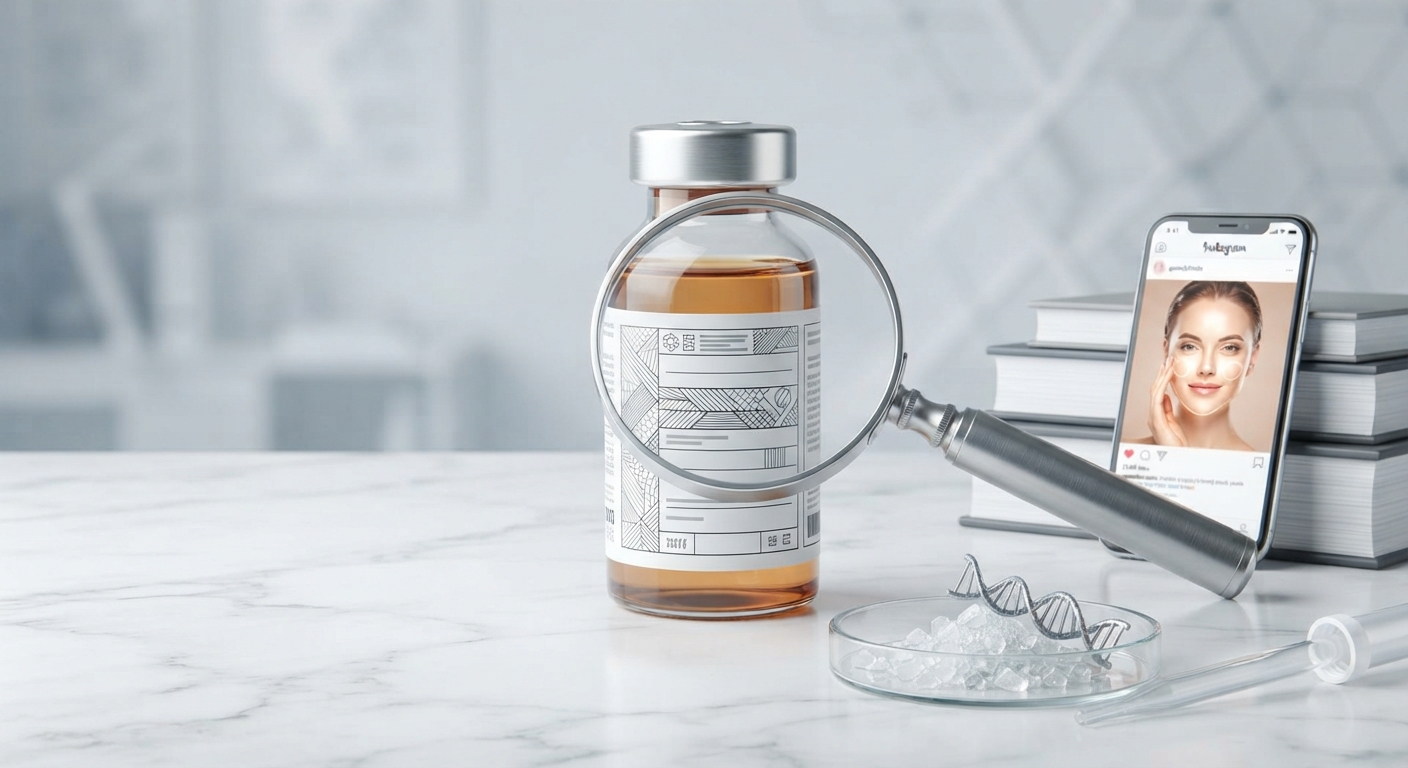
Consider two online listings that both mention beecom. One provides a complete manufacturer name, clearly photographed labeling, and an identifiable variant; the other relies on a short slogan. The first listing gives readers a basis for asking informed questions. That does not prove superiority, but it illustrates why documentation is more useful than an attractive headline when evaluating why combination formulas attract interest.
Ingredient interaction questions
When considering ingredient interaction questions in relation to beecom, the most informative details are often found in the product-specific documentation rather than the headline description. Readers can compare the stated purpose, the form in which the product is supplied, and any restrictions attached to its use. This matters because a general aesthetic trend may include cosmetics, professional-use products, devices, and regulated medical products that should not be treated as equivalent.
A clinic or purchaser should be able to reconcile the commercial name with the package label, lot number, expiry information, and any manufacturer documentation. Unclear origin, mismatched labeling, or inconsistent specifications are reasons to stop and request clarification. The same discipline helps readers distinguish an authentic product from a similarly named listing.
Imagine a reader comparing beecom with another item in the same broad category. The comparison becomes misleading if one item is a topical cosmetic and the other is intended for a clinical procedure. Before comparing prices, testimonials, or claimed results, the reader needs to establish that the products share an intended purpose and a comparable evidence base.
Presentation and packaging
The discussion of presentation and packaging is also an opportunity to distinguish measurable observations from expectations. For beecom, the important question is not whether an online claim sounds persuasive, but whether it refers to a defined outcome and a clearly identified product. Strong explanations acknowledge variation between individuals, the limits of available evidence, and the possibility that a result depends on several factors rather than one branded ingredient.
Product discussions are strongest when they separate what the label states from what a study actually measured. Anecdotes, dramatic before-and-after images, and broad words such as “rejuvenating” do not establish performance for a particular formula. Evidence should concern the same formulation, route, population, and outcome whenever possible.
A common source of confusion is the assumption that a familiar ingredient or product term guarantees the same outcome across brands. In the case of beecom, changes in formulation, presentation, and instructions can alter what is being compared. This is why responsible articles describe the precise product rather than using the broad category as a shortcut.
Assessing fit with professional protocols
Another dimension of assessing fit with professional protocols is how the information will be used in practice. A professional evaluating beecom may need different details from a consumer reading about a skincare trend. Packaging, formulation, intended user, storage, and local rules can all change the relevance of an article. A careful description should make those boundaries visible instead of turning product education into a universal recommendation.
Product names alone rarely reveal the full formulation. Two similarly marketed aesthetic items may have different compositions, routes of administration, intended users, and regulatory classifications. A useful comparison starts with the exact manufacturer, variant, ingredient declaration, and product information rather than photographs or a short promotional description.
In a professional setting, decisions about beecom may involve several people: the purchasing team, the treating clinician, and the person receiving care. Each needs accurate but different information. A clear account of assessing fit with professional protocols helps these groups communicate without implying that commercial availability is the same as clinical suitability.
How to make a useful comparison
A useful comparison involving beecom starts with three questions: Is the product correctly identified? Is it being compared with something intended for a similar purpose? And is the supporting information relevant to the precise formulation or device under discussion? These questions can prevent a surprisingly common mistake: drawing a broad conclusion from a product name, a single ingredient, or a striking photograph. They also help readers decide which additional information they need before relying on a claim.
The next step is to check the context. Information about beecom may come from marketing materials, a manufacturer’s instructions, independent research, or accounts of individual experiences. Each source can answer different questions. Product specifications help establish identity; clinical evidence, where available, helps evaluate outcomes; and professional guidance helps interpret suitability. None of these should be substituted for another. When evidence is limited, a transparent explanation is more useful than a confident prediction.
Questions worth taking away
Anyone researching beecom can benefit from asking what the product is actually designed to do, how it differs from alternatives, and which claims are supported for the exact item being discussed. Where a product is regulated or intended for professional use, the appropriate clinician and local authorization requirements matter as much as the product description. These are not obstacles to good aesthetic care; they are part of making careful, informed decisions.
Ultimately, the value of learning about beecom lies in understanding the details behind the label. The most credible approach combines clear terminology, realistic expectations, and attention to the product’s specific context. Rather than treating popularity as proof, readers can use these questions to separate helpful information from unsupported claims and to have better conversations with qualified professionals.
For readers looking for the exact product listing discussed here, the Lushfills product page can help establish which version and labeling are being referenced.