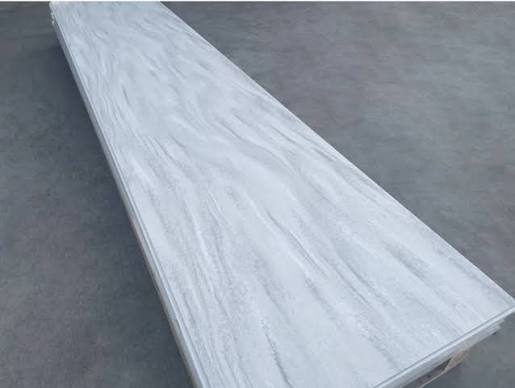
Interior projects require materials that combine visual appeal, practical functionality, and dependable performance. From kitchen countertops in private homes to reception desks in hotels and work surfaces in healthcare facilities, every space has different design and operational requirements. Solid surface materials have become a popular option because they can be shaped into various forms, supplied in different colors, and fabricated to suit a wide range of interior applications.
Manufacturers contribute much more than the production of sheets and molded components. They can support project planning through material recommendations, product customization, technical documentation, and coordination with fabricators and contractors. Working with an experienced Solid Surface Manufacturer can help architects, designers, developers, and property owners identify suitable products for their projects while maintaining consistency between design expectations and practical requirements.
1. Understanding the Needs of Different Interior Projects
Residential and commercial interiors have different priorities. A homeowner may focus on appearance, comfort, maintenance, and budget, while a commercial developer may place greater emphasis on durability, consistent specifications, installation schedules, and maintenance across multiple locations.
Solid surface manufacturers help address these differences by offering product options for specific applications.
For example, residential projects may require customized kitchen countertops, bathroom vanity tops, and decorative wall panels. Commercial projects may need reception counters, public washroom surfaces, retail displays, and large quantities of coordinated materials.
Understanding the project’s purpose allows manufacturers and buyers to select appropriate thicknesses, finishes, colors, and product formats.
2. Supporting Residential Kitchen Design
Kitchens are among the most common applications for solid surface materials. Countertops must accommodate food preparation, cleaning activities, appliances, and everyday household use.
Manufacturers support kitchen projects by supplying surfaces in different colors, dimensions, and finishes. Some product ranges also allow integrated sinks, backsplashes, and coordinated countertop components.
Important considerations for residential kitchens include:
- Resistance to common household stains
- Ease of routine cleaning
- Suitable surface finishes
- Seam placement and fabrication requirements
- Compatibility with kitchen cabinets
- Space for sinks and appliances
Solid surface countertops can also be customized to fit islands, curved edges, and other design features. However, installation quality and appropriate support structures remain essential for reliable results.
3. Providing Solutions for Bathroom Interiors
Bathrooms require materials that can accommodate regular moisture exposure, frequent cleaning, and different architectural layouts.
Solid surface products are commonly used for vanity tops, washbasins, shower-related components, wall panels, and decorative bathroom furniture.
Manufacturers can support these applications by offering molded products, customized dimensions, and coordinated designs.
Their product options may help designers create:
- Integrated vanity tops and basins
- Freestanding washbasins
- Wall-mounted bathroom components
- Countertops with customized cutouts
- Coordinated surfaces for multiple bathrooms
When selecting materials, project teams should review water absorption data, cleaning recommendations, installation details, and the suitability of joints and connections for the intended environment.
4. Helping Architects and Interior Designers Realize Custom Concepts
Architects and interior designers often develop concepts that require specific dimensions, colors, shapes, or surface characteristics.
Standard products may not always match these requirements. Manufacturers can help bridge the gap between design concepts and practical production by offering customization services.
Depending on their capabilities, these services may include:
- Custom color development
- Non-standard sheet dimensions
- Special thickness options
- Curved or molded components
- Integrated sink designs
- Customized countertop shapes
- Coordinated decorative elements
Early communication is important because complex designs may require technical evaluation before production begins.
Manufacturers can review drawings, assess material limitations, and recommend adjustments that make the proposed design easier to fabricate and install.
5. Supporting Hotel and Hospitality Projects
Hotels, resorts, restaurants, and other hospitality properties require interior materials that maintain a consistent appearance across multiple spaces.
Solid surface products are frequently considered for reception counters, guestroom vanities, restaurant service areas, bar tops, and public washrooms.
Manufacturers can support hospitality projects by coordinating product specifications, finishes, and dimensions across different areas of a property.
Key project requirements may include:
- Consistent colors across multiple orders
- Practical cleaning and maintenance
- Suitable surface finishes
- Customized reception counters
- Coordinated bathroom components
- Reliable production and delivery schedules
For large hospitality developments, sample approval and batch consistency are especially important. Project teams should confirm how the manufacturer manages repeat orders and replacement materials.
6. Providing Materials for Healthcare Interiors
Healthcare facilities have specialized interior requirements because surfaces may be exposed to frequent cleaning, disinfectants, and demanding daily use.
Solid surface materials may be used for selected reception counters, nursing stations, laboratory-related work surfaces, wash areas, and storage components.
Manufacturers can help project teams evaluate suitable formulations and finishes based on the intended application.
Important considerations include:
- Compatibility with specified cleaning chemicals
- Surface condition and cleanability
- Seam and joint design
- Resistance to expected wear
- Compliance with applicable project requirements
- Maintenance and repair procedures
It is important to verify product-specific testing and healthcare-related requirements rather than assuming that every solid surface material is suitable for every medical environment.
7. Supporting Retail and Commercial Spaces
Retail stores, shopping centers, office buildings, and corporate facilities often use custom interior components to create recognizable environments.
Solid surface materials can be fabricated into counters, display units, wall features, reception desks, and decorative furniture.
Manufacturers support these projects by providing materials that can be coordinated with brand colors and interior design specifications.
For retail applications, useful features may include:
- Customized dimensions
- Consistent decorative finishes
- Curved display elements
- Coordinated reception surfaces
- Replaceable or repairable components where appropriate
- Options for different commercial layouts
These solutions allow businesses to maintain a consistent visual identity across individual stores or multiple branches.
8. Helping Project Teams Select Suitable Materials
Choosing the correct product is an important step in project planning. A material that performs well in a bathroom vanity may not automatically be the best choice for a high-use commercial counter.
Manufacturers can assist buyers by explaining differences in resin systems, thicknesses, finishes, and product specifications.
A practical selection process should consider:
- Application: Identify where the material will be installed and how it will be used.
- Appearance: Select suitable colors, patterns, and surface finishes.
- Performance: Review relevant technical data for expected conditions.
- Dimensions: Confirm sheet sizes, thicknesses, and fabrication requirements.
- Maintenance: Understand cleaning methods and repair possibilities.
- Budget: Compare material costs with fabrication and installation expenses.
- Availability: Check production capacity and delivery schedules.
This process helps reduce the risk of selecting products that do not match the project’s actual requirements.
9. Offering Custom Fabrication and Product Development
Some interior projects require components that cannot be supplied as standard sheets or finished products.
Depending on their production capabilities, manufacturers may provide customized sinks, vanity units, counters, wall panels, and other molded components.
Custom product development generally involves several stages:
- Reviewing the customer’s design requirements
- Assessing technical feasibility
- Preparing drawings or product specifications
- Developing samples or prototypes when necessary
- Confirming materials and finishes
- Approving production details
- Manufacturing and inspecting the finished products
This structured approach helps ensure that customized components are suitable for the intended installation.
Project teams should provide accurate drawings and measurements early to avoid unnecessary design changes or production delays.
10. Maintaining Quality Across Large Projects
Large residential developments and commercial buildings often require substantial quantities of solid surface materials.
When several rooms, floors, or buildings use the same material, consistent quality becomes particularly important.
Manufacturers support these projects through raw material inspection, controlled formulations, production monitoring, dimensional checks, and final product inspection.
Quality management may include:
- Verifying incoming materials
- Monitoring production parameters
- Checking sheet thickness and dimensions
- Comparing colors with approved samples
- Inspecting surface finishes
- Recording batch information
- Reviewing finished products before dispatch
These procedures help reduce differences between products supplied at different stages of a project.
For phased developments, buyers should discuss batch planning and reserve materials where practical to support future replacements or additions.
11. Providing Technical Documentation and Product Information
Technical information helps architects, designers, contractors, and procurement teams make informed decisions.
Manufacturers can support project evaluation by supplying documents that explain product characteristics and recommended applications.
Useful documents may include:
| Document | Project benefit |
|---|---|
| Technical data sheet | Explains product specifications |
| Color catalogue | Helps compare available designs |
| Physical samples | Supports visual and tactile evaluation |
| Installation guidance | Explains handling and fitting requirements |
| Cleaning instructions | Supports routine maintenance |
| Test reports | Provides evidence of selected performance characteristics |
| Warranty information | Clarifies coverage and limitations |
Having these documents available before installation helps project teams coordinate material selection with construction requirements.
12. Supporting Fabricators and Installation Contractors
Even high-quality materials require appropriate fabrication and installation.
Manufacturers can support fabricators and contractors by providing information about cutting, joining, shaping, sanding, polishing, and handling procedures.
This guidance is particularly useful for projects involving curved components, integrated sinks, complex countertop shapes, or large surface areas.
Common areas of technical support include:
- Recommended fabrication tools
- Suitable adhesive systems
- Seam preparation
- Edge finishing
- Thermal forming requirements where applicable
- Handling and transportation precautions
- Installation and support requirements
The exact procedures depend on the product formulation and manufacturer instructions. Contractors should follow the relevant technical guidance rather than applying the same methods to every material.
13. Helping Manage Project Costs and Material Waste
Cost management is important for both residential renovations and large commercial developments.
Manufacturers can help project teams understand available sheet dimensions, product formats, thickness options, and customization costs before orders are finalized.
Better planning may reduce unnecessary cutting waste and improve the use of available materials.
Several factors influence overall project expenses:
- Material type and formulation
- Sheet dimensions and thickness
- Color and pattern selection
- Custom molding requirements
- Order quantity
- Fabrication complexity
- Packaging and transportation
- Installation labor
Buyers should compare the total project cost rather than focusing only on the price per sheet. A product with a lower purchase price may require additional fabrication or maintenance expenses.
14. Coordinating Production and Delivery Schedules
Project timelines often involve several connected activities, including design approval, material procurement, fabrication, installation, and final inspection.
Manufacturers contribute by coordinating production schedules and communicating expected delivery periods.
For larger projects, it is useful to establish a clear procurement plan that includes:
- Final product and color selection
- Approval of samples and technical specifications
- Confirmation of quantities
- Production scheduling
- Quality inspection
- Packaging and dispatch
- Delivery coordination
Early planning is especially valuable for customized components because prototypes, special molds, and design revisions may require additional time.
Clear communication helps contractors avoid scheduling installation before the necessary materials are available.
15. Supporting Multi-Unit Residential Developments
Apartment buildings, housing developments, and condominium projects often require similar interior components across many individual units.
Solid surface manufacturers can support these developments by supplying standardized countertops, vanity tops, and other coordinated products.
Consistency is important because developers generally want the same design and specifications throughout the property.
Manufacturers may help through:
- Standardized product dimensions
- Approved color references
- Repeatable production specifications
- Bulk manufacturing arrangements
- Batch identification
- Coordinated packaging by unit or building
These practices can simplify purchasing and installation while supporting a consistent interior appearance.
16. After-Sales Support and Long-Term Maintenance
A manufacturer’s contribution does not necessarily end when products are delivered.
After-sales support can help customers understand cleaning procedures, maintenance requirements, repair options, and applicable warranty conditions.
Solid surface materials may allow certain scratches and surface imperfections to be repaired through appropriate refinishing techniques. However, the available repair methods depend on the product and the severity of the damage.
Useful after-sales services may include:
- Cleaning and maintenance instructions
- Technical guidance for minor repairs
- Product replacement information
- Warranty assistance
- Support with identifying material specifications
- Recommendations for qualified fabricators
For commercial properties, maintaining product records can make future repairs and replacement orders easier to manage.
17. Choosing a Manufacturer for Residential and Commercial Projects
Selecting a suitable manufacturing partner requires an evaluation of both product quality and service capabilities.
Buyers should consider whether a manufacturer can support the project’s technical requirements, delivery schedule, customization needs, and expected order volume.
Important evaluation criteria include:
Product range: Check whether the manufacturer offers suitable sheets, sinks, vanity tops, and customized components.
Production capabilities: Review the equipment, manufacturing processes, and ability to handle the required order quantity.
Quality management: Ask about raw material inspection, production monitoring, and final product checks.
Customization: Confirm whether special dimensions, colors, and shapes can be produced.
Technical support: Determine whether product documentation and fabrication guidance are available.
Communication: Evaluate how clearly the manufacturer responds to specifications, samples, and project questions.
Delivery planning: Confirm production lead times, packaging methods, and shipping arrangements.
Requesting samples and reviewing relevant technical documents can provide a more reliable basis for comparison than relying on product descriptions alone.
Conclusion
Solid surface manufacturers support residential and commercial interior projects through material supply, product customization, technical guidance, quality management, and production coordination. Their role extends from helping customers select appropriate formulations to ensuring that finished products meet approved specifications and arrive ready for fabrication or installation.
Residential kitchens and bathrooms often require design flexibility and convenient maintenance, while hotels, healthcare facilities, retail spaces, and offices may have more specialized operational requirements. Understanding these differences helps project teams select materials that match their intended applications.
By evaluating manufacturing capabilities, technical documentation, customization options, quality procedures, and after-sales support, buyers can establish more effective supplier relationships and improve the planning of their interior projects.