Oil painting is an art form built on patience, skill, and attention to detail. From preparing the canvas to applying the final brushstrokes, every stage requires a thoughtful approach to materials and technique. Although oil painting has a long history rooted in traditional artistic practices, the way paintings are created and produced has evolved significantly over time.
Today, an Oil Painting Factory brings together the expertise of skilled artists and the efficiency of modern production methods. By combining time-tested painting techniques with improved tools, organized workflows, and quality-control processes, these facilities can create artwork that maintains an authentic handmade appearance while meeting contemporary customer expectations.
The Importance of Traditional Craftsmanship in Oil Painting
Traditional craftsmanship remains at the heart of quality oil painting. Even when modern equipment supports the production process, artistic knowledge and practical experience are essential for creating visually appealing work.
Experienced painters understand how different pigments behave, how oil paints interact with surfaces, and how brush techniques influence the finished composition. Their understanding helps maintain consistency in color, texture, proportion, and detail.
Traditional methods also allow artists to make creative decisions throughout the painting process. Rather than relying entirely on automated procedures, they can adjust their approach according to the subject, style, and desired visual effect.
This human involvement is what gives many oil paintings their distinctive character.
1. Careful Selection of Materials
The quality of a finished painting depends greatly on the materials used during production. Factories typically pay close attention to the selection of canvases, paints, brushes, mediums, and other essential supplies.
Canvas Preparation
A properly prepared canvas provides a stable surface for painting. Artists and production teams may use cotton or linen canvases, depending on the desired finish and project requirements.
The surface is generally primed before painting to improve adhesion and create a suitable foundation for oil colors.
Pigment and Paint Selection
Oil paints are valued for their rich pigmentation, blending capabilities, and depth. Selecting suitable paints helps artists achieve consistent colors and the desired level of opacity.
Brushes and Painting Tools
Different brush shapes and sizes serve different purposes. Fine brushes are useful for detailed work, while broader brushes help cover larger areas and create expressive strokes.
Careful material selection helps establish a reliable foundation for every stage of production.
2. Combining Hand-Painting Skills with Modern Workflow Planning
One of the main advantages of modern painting facilities is the ability to organize production without removing the artistic element.
Traditional painting can involve several time-consuming stages, including composition planning, surface preparation, background development, detailed painting, and finishing. A structured workflow helps teams manage these stages efficiently.
For example, different specialists may focus on particular tasks while experienced artists oversee the overall visual quality. This division of responsibilities can improve coordination, especially when handling multiple commissions or paintings.
However, workflow planning should support the creative process rather than restrict it. Artists still need enough flexibility to make adjustments and maintain the individuality of each piece.
3. Using Digital Tools During the Design Stage
Technology can contribute significantly before the actual painting begins.
Digital reference images, design software, and high-resolution photographs help artists study subjects, plan compositions, and examine important details. These resources can be especially useful for portraits, landscapes, architectural scenes, and customized artwork.
Digital tools may help with:
- Evaluating composition and proportions.
- Comparing different color arrangements.
- Adjusting image dimensions for specific canvases.
- Reviewing reference details before painting.
- Communicating design ideas with customers.
These tools do not replace artistic judgment. Instead, they provide additional resources that help painters prepare more effectively.
The final artwork can still be created entirely through traditional oil painting techniques.
4. Maintaining Handmade Quality During Production
A major challenge for any painting facility is maintaining artistic quality while managing production requirements.
Hand-painted artwork naturally contains variations in brushwork, texture, and paint application. These details contribute to its visual character and distinguish it from mechanically reproduced images.
Skilled painters help preserve these qualities through careful control of their techniques.
For example, they may use layered brushstrokes to develop depth, blend colors gradually to create smooth transitions, or apply thicker paint to emphasize particular details.
Quality-focused production should leave room for these artistic decisions. The objective is not simply to produce more paintings, but to create work that meets an appropriate standard of craftsmanship.
5. Applying Modern Quality-Control Methods
Quality control is an important part of professional painting production. A finished painting should be reviewed for visual consistency, surface condition, and overall presentation.
Modern facilities can establish inspection procedures at different stages instead of waiting until the entire artwork is complete.
Typical checks may include:
Surface Inspection
The canvas is examined for preparation issues, uneven areas, or visible damage that could affect the finished painting.
Color and Detail Review
Artists or supervisors assess whether the composition, colors, and important details match the intended design.
Finishing Assessment
Once the painting is complete and sufficiently dry, the surface and edges can be checked for consistency and presentation quality.
Final Packaging Inspection
Before shipment, the artwork should be protected against dust, moisture, pressure, and other potential sources of damage.
These procedures help reduce avoidable problems and create a more dependable production process.
6. Improving Efficiency Without Sacrificing Artistic Detail
Modern production techniques can make painting operations more organized. Better scheduling, inventory management, workspace planning, and communication help teams use their time and resources effectively.
For instance, preparing materials in advance can reduce interruptions during painting. Organizing work by size or subject may also make it easier to allocate appropriate resources.
However, efficiency should never come at the expense of the artwork itself.
Oil painting requires adequate time for layering, blending, and drying. Rushing these stages can affect the final appearance and durability of a painting.
A balanced production system recognizes that some tasks can be streamlined, while others depend on the pace and judgment of the artist.
7. Combining Different Artistic Styles and Techniques
Modern painting facilities may work with a broad range of artistic subjects and visual styles.
These can include:
- Traditional landscapes and nature scenes.
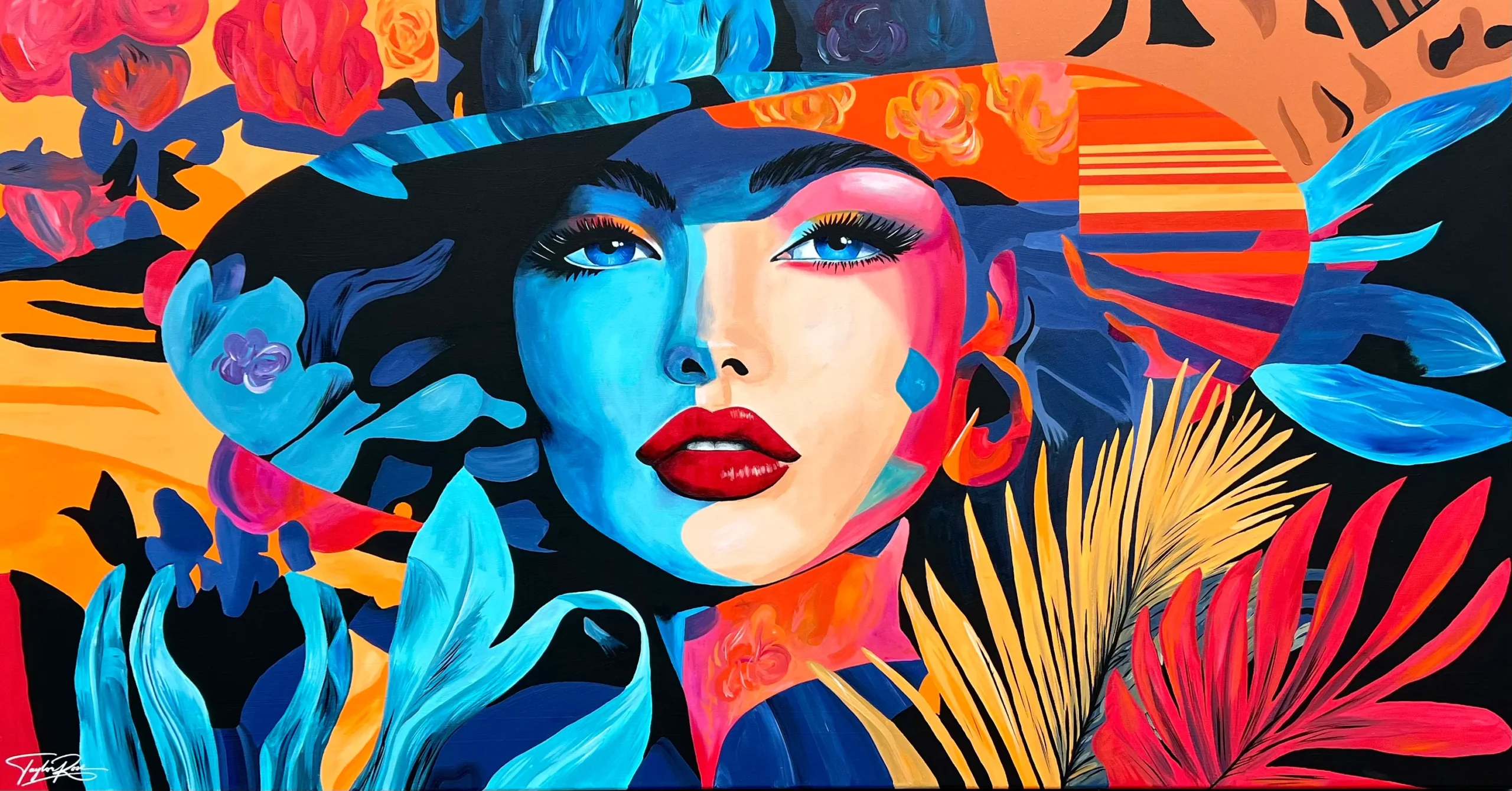
- Contemporary abstract compositions.
- Realistic portraits and figurative artwork.
- Still-life paintings.
- Classical reproductions.
- Modern decorative and impressionistic designs.
Each style requires a different approach to composition, color, brushwork, and surface treatment.
A landscape may involve atmospheric blending and detailed natural textures, while an abstract painting may rely on expressive marks and contrasting colors. Portraiture requires careful attention to proportions, facial features, and subtle tonal changes.
Experienced artists adapt their methods to suit the individual project rather than applying one production formula to every painting.
8. Supporting Customization and Customer Requirements
Modern production systems also make it easier to manage customized artwork.
Customers may request specific dimensions, color palettes, subjects, or stylistic adjustments. Organized communication and design planning help translate these preferences into practical painting instructions.
Before work begins, the project can be reviewed to clarify the intended composition, canvas size, and overall appearance.
This process helps reduce misunderstandings and gives artists a clearer direction.
Customization also highlights the importance of combining technology with human expertise. Digital references can communicate requirements, but artists must interpret those instructions and translate them into a finished painting.
9. Managing Drying, Finishing, and Packaging
Oil paintings require careful handling after the main painting process is complete.
Unlike some fast-drying mediums, oil paint can take considerable time to dry, depending on the pigments, paint thickness, and materials used. A painting may feel dry on the surface while deeper layers continue to cure.
Professional handling procedures should account for these differences.
Finishing treatments, including varnishing where appropriate, must be applied at a suitable stage and according to the materials used. Proper storage and packaging are equally important, particularly when artwork needs to travel long distances.
Protective packaging helps reduce the risk of scratches, pressure damage, and environmental exposure during transportation.
10. Preserving Artistic Identity in a Changing Industry
As production technology develops, maintaining the artistic identity of oil painting becomes increasingly important.
Modern tools can improve planning, organization, communication, and inspection, but they cannot independently provide the creative judgment that defines a successful painting.
The artist’s understanding of composition, color relationships, texture, and visual storytelling remains central to the process.
Facilities that recognize this distinction can use technology as a supporting resource while keeping craftsmanship at the center of their work.
This balance allows traditional oil painting to remain relevant in a market where customers value both reliable production and distinctive artistic quality.
Why the Combination of Traditional and Modern Methods Matters
Traditional craftsmanship and modern production techniques offer different but complementary benefits.
Hand-painting brings individuality, creative expression, and an understanding of artistic materials. Modern systems contribute organization, consistency, communication, and improved quality management.
When these approaches work together, the production process can become more efficient without losing the qualities that make oil paintings special.
This combination is particularly valuable for facilities handling different styles, sizes, and customer requirements. It supports a more adaptable approach while preserving the importance of skilled artistic work.
Conclusion
An oil painting factory combines traditional craftsmanship with modern production techniques by bringing together experienced artists, carefully selected materials, organized workflows, digital planning tools, and structured quality checks.
Technology helps manage the practical aspects of production, while traditional painting skills give each artwork its visual character and creative depth.
The most effective approach does not treat craftsmanship and modern methods as competing ideas. Instead, it uses the strengths of both to create oil paintings that reflect artistic experience, thoughtful production, and attention to detail.