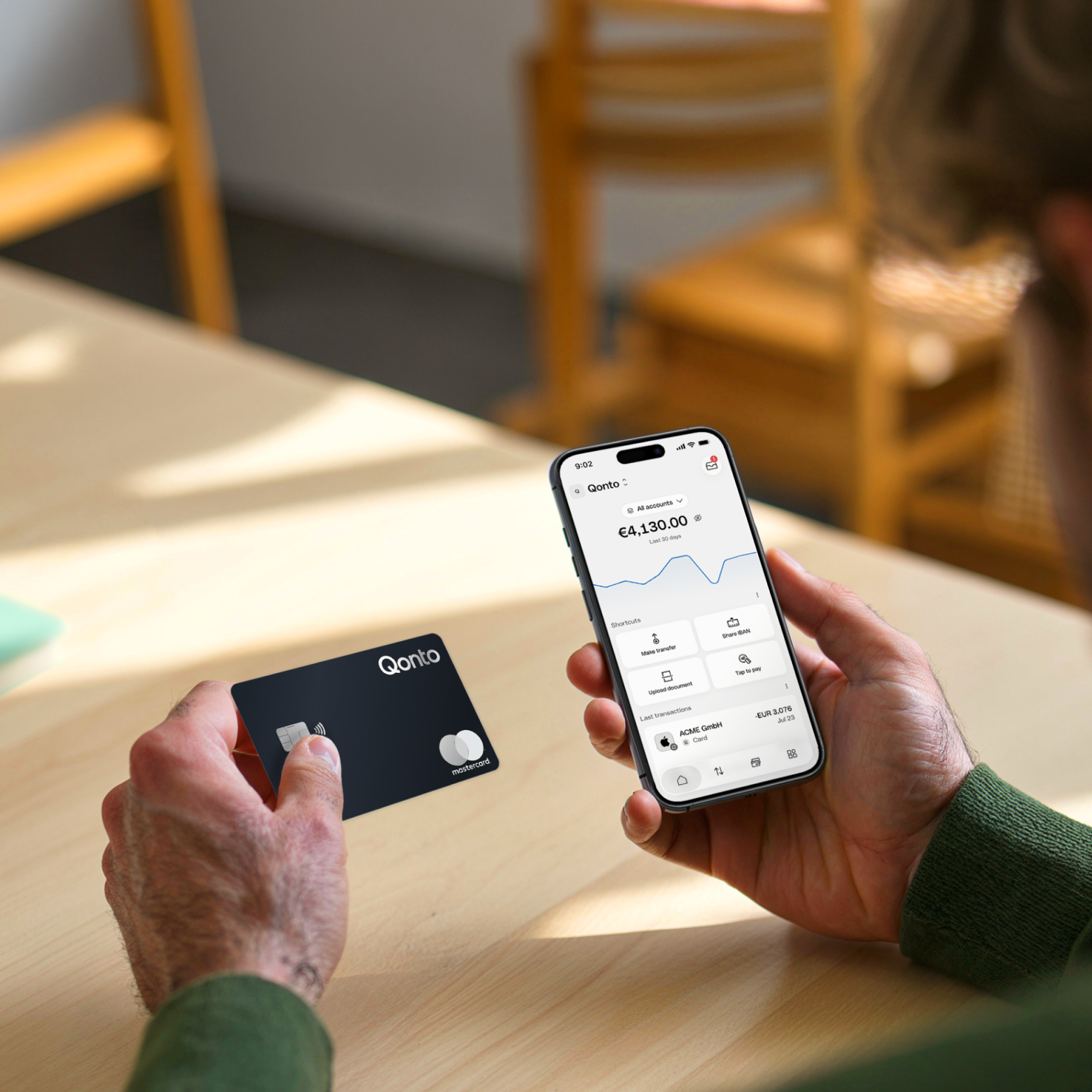
Setting up a bank account is an important practical step for many Gesellschaft bürgerlichen Rechts (GbR) partnerships. A dedicated account can help partners separate business finances from personal spending and keep everyday transactions easier to track.
Before you konto für gbr eröffnen, founders should understand the usual requirements and application process. Although providers may have different procedures, most will need information about the GbR and the individuals who own or represent it.
Does a GbR Need a Separate Bank Account?
A separate bank account is not generally mandatory for every GbR under German law. However, using one can make financial administration significantly clearer.
Keeping partnership income and expenses in one dedicated account can simplify bookkeeping. It also makes it easier for partners to distinguish business transactions from their private finances.
Requirements for Opening an Account
Banks and financial service providers typically request information about the partnership and its partners. The precise requirements depend on the provider and the GbR’s individual circumstances.
Commonly requested documents include:
- The GbR partnership agreement
- Valid identification documents for the partners
- The partnership’s business address
- Information about the business activity
- Tax-related information, where applicable
- Details of authorized representatives
Additional documents may be requested if the provider needs further information for verification or compliance purposes.
The Role of the Partnership Agreement
The GbR agreement can be particularly important during the account-opening process. It identifies the partners and may specify how the partnership is represented.
It can also provide information about management and signing authority. These provisions may influence who can apply for the account and who should receive account access.
Step-by-Step: How the Application Works
1. Choose a Suitable Provider
Founders should compare account fees, transaction costs, available features, and access options before making a decision.
The expected number of transactions and the number of partners who need account access should be considered as part of the comparison.
2. Prepare the Documents
Once a provider has been selected, founders should collect the required documents and business information.
Submitting complete and consistent information can help reduce delays during the verification process.
3. Complete the Application
The application generally requires details about the GbR as well as its partners. Depending on the provider, the process may be completed online or through another application channel.
Founders should make sure the information matches the partnership documents and identification records.
4. Complete Identity Verification
The relevant partners usually need to complete an identity check. The exact method depends on the provider and may involve digital or other approved verification procedures.
If further documentation is required, the provider may request it before completing the application.
5. Set Up Account Permissions
After approval, the partners should establish who can access and operate the account. This may include viewing transactions, making payments, or approving certain activities.
Clear account permissions can help avoid confusion when several partners are responsible for financial administration.
What Should Founders Compare?
The account-opening process is only one consideration. The account should also be suitable for the GbR’s ongoing financial needs.
Important features to review include:
- Monthly account fees
- Transfer and transaction costs
- Number of permitted users
- Payment card options
- Online and mobile banking
- Transfer limits
- Accounting integrations
- Customer support
Comparing the total cost and practical features can help founders avoid choosing an account that becomes unsuitable as the business develops.
Keeping the Account Organized
Once the account is active, the partners should use it consistently for business transactions. Customer payments, supplier invoices, operating expenses, and other partnership-related payments can then be tracked more easily.
Regular reconciliation with bookkeeping records can also help identify missing entries, incorrect payments, or unexpected charges.
Common Reasons for Delays
Applications can take longer when required documents are missing or information does not match across the submitted records.
Founders can reduce the risk of delays by checking document validity, reviewing the provider’s requirements carefully, and ensuring that all partners provide the information requested.
Final Thoughts
Opening a bank account for a GbR involves more than simply submitting an application. Founders should prepare the partnership documents, complete the required identity checks, establish account permissions, and compare the costs and features of different providers.
With the right preparation, the process can be straightforward and provide the GbR with a clear structure for managing its business finances.