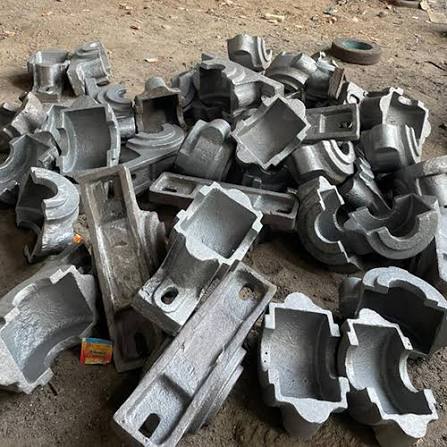
Iron casting is an essential manufacturing process used to produce components for automotive systems, construction machinery, agricultural equipment, mining operations, and various industrial applications. These components often operate under demanding conditions involving mechanical stress, vibration, pressure, and temperature changes. Even minor manufacturing defects can affect their performance, reliability, and service life. For this reason, maintaining consistent product quality is a major priority throughout the iron casting production process.
Quality control helps ensure that cast iron components meet specified material, dimensional, and performance requirements before they reach customers. An experienced Iron Castings Manufacturer uses inspection procedures, material testing, and process monitoring to identify potential problems and maintain production consistency. Understanding the importance of quality control also helps industrial buyers evaluate suppliers and make better decisions when sourcing cast components.
What Is Quality Control in Iron Casting Manufacturing?
Quality control in iron casting manufacturing refers to the systematic inspection and testing of materials, production processes, and finished components. Its purpose is to identify defects, verify technical specifications, and ensure that products are suitable for their intended applications.
Unlike simple visual inspection, an effective quality control system covers multiple production stages. It begins with raw material selection and continues through melting, molding, pouring, cooling, machining, and final product evaluation.
Common quality control activities include:
- Checking the chemical composition of raw materials.
- Monitoring furnace temperatures and melting conditions.
- Inspecting mold and pattern accuracy.
- Controlling pouring and solidification processes.
- Identifying surface and internal casting defects.
- Measuring finished component dimensions.
- Conducting mechanical and non-destructive testing.
By monitoring these factors, manufacturers can reduce production inconsistencies and improve the reliability of their cast iron products.
Why Quality Control Is Important in Iron Casting Production
Quality control influences almost every aspect of iron casting manufacturing. It helps manufacturers maintain product standards while reducing unnecessary production costs and improving customer satisfaction.
1. Preventing Casting Defects
Casting defects can develop because of incorrect pouring temperatures, poor mold preparation, gas entrapment, or uncontrolled cooling. Common problems include porosity, shrinkage cavities, cracks, and incomplete filling.
If these defects remain undetected, they may weaken components and affect their performance during operation.
Regular inspections and process monitoring help identify potential issues before defective products move to the next production stage.
2. Maintaining Mechanical Strength
Industrial components must have suitable mechanical properties to withstand their intended operating conditions. Depending on the application, these requirements may include tensile strength, hardness, impact resistance, and fatigue performance.
Quality control ensures that the selected iron grade and production process deliver the required material characteristics.
For example, ductile iron components used in heavy machinery require appropriate strength and toughness, while wear-resistant castings may need specific hardness levels.
3. Improving Dimensional Accuracy
Iron castings often require precise dimensions to fit correctly into larger mechanical assemblies. Variations in component size, hole positioning, or surface alignment can create installation problems.
Dimensional inspection helps verify that finished products match engineering drawings and specified tolerances.
This is particularly important for components that require additional machining or must fit with other precision-engineered parts.
4. Reducing Production Waste
Defective castings often require rework, additional machining, or complete rejection. These problems increase material consumption, labor requirements, and production expenses.
Identifying issues during early manufacturing stages helps prevent unnecessary processing of defective components.
Effective quality control therefore supports better resource utilization and more efficient production planning.
5. Building Customer Confidence
Industrial buyers expect components to meet agreed specifications and perform reliably. Inconsistent product quality can lead to equipment failures, production interruptions, and additional maintenance costs.
Manufacturers that maintain documented inspection procedures and provide reliable quality reports can establish greater confidence among customers.
Common Defects That Quality Control Helps Identify
Understanding common casting defects is important for recognizing why inspection procedures are necessary. Different defects develop under different production conditions and may affect the appearance, structure, or performance of the finished component.
Porosity
<AsyncImage query=”metal casting porosity defect holes in cast iron industrial casting close up” aspectRatio=”16:9″ width=”100%”/>
Porosity occurs when gas becomes trapped inside the molten metal or casting during production. It may appear as small cavities near the surface or as internal voids.
Proper melt treatment, mold venting, and pouring control can help reduce the likelihood of gas-related defects.
Shrinkage Cavities
<AsyncImage query=”iron casting shrinkage cavity internal casting defect foundry” aspectRatio=”16:9″ width=”100%”/>
Shrinkage cavities develop when molten metal contracts during solidification without receiving sufficient additional material from the feeding system.
Appropriate riser design and controlled solidification help reduce this problem.
Cold Shuts
Cold shuts occur when separate streams of molten metal fail to fuse properly after meeting inside the mold. This can create an incomplete connection within the casting.
Insufficient pouring temperature, poor metal flow, and unsuitable gating design are common contributing factors.
Cracks
<AsyncImage query=”cast iron casting surface crack defect industrial metal component” aspectRatio=”16:9″ width=”100%”/>
Cracks may develop during cooling or solidification because of internal stresses, uneven temperature distribution, or unsuitable component geometry.
Careful mold design and controlled cooling conditions help minimize the risk.
Sand Inclusions
Sand inclusions occur when molding sand becomes trapped in the molten metal or remains embedded in the casting surface.
Proper mold preparation, sand quality management, and careful pouring practices help prevent this issue.
Quality Control at Different Stages of Iron Casting Manufacturing
An effective quality management system involves checking production conditions throughout the entire manufacturing process. Waiting until the finished component is ready may make some defects more expensive or difficult to correct.
Raw Material Inspection
The first stage involves checking the quality and suitability of raw materials before melting.
Manufacturers examine material specifications, chemical composition, and the condition of incoming metal. This helps prevent unsuitable materials from entering the production process.
Melting and Chemical Analysis
During melting, manufacturers monitor furnace temperatures and the chemical composition of molten iron.
Spectrometers and other testing instruments may be used to analyze material composition. These checks help ensure that the metal meets the requirements of the specified iron grade.
Mold and Pattern Inspection
Patterns and molds must have suitable dimensions and structural integrity. Inspection helps identify inaccuracies that could cause dimensional variations or metal flow problems.
Mold preparation is particularly important for components with complex geometries and thin sections.
Pouring and Cooling Monitoring
Pouring conditions influence how molten iron fills the mold and solidifies. Manufacturers monitor temperature, pouring consistency, and other relevant process parameters.
Cooling conditions are also evaluated because they influence the casting’s microstructure and mechanical properties.
Post-Casting Inspection
After shakeout and cleaning, castings are examined for visible defects, surface irregularities, and dimensional issues.
Depending on the application, additional testing may be required before the component proceeds to machining.
Final Inspection
The final stage verifies that the finished product meets customer specifications.
This may include dimensional measurements, hardness testing, surface inspection, mechanical testing, and non-destructive examination.
Important Quality Testing Methods Used in Iron Casting
Different testing methods provide information about the chemical, mechanical, and structural characteristics of cast iron components.
1. Chemical Composition Testing
Chemical testing determines the percentages of elements such as carbon, silicon, manganese, sulfur, and phosphorus.
It helps confirm whether the casting material meets the specified grade and composition requirements.
2. Hardness Testing
<AsyncImage query=”Brinell hardness testing cast iron metal component industrial quality laboratory” aspectRatio=”16:9″ width=”100%”/>
Hardness testing measures a material’s resistance to indentation or deformation.
Brinell and Rockwell testing methods may be used depending on the material, component geometry, and applicable specifications.
3. Tensile Testing
<AsyncImage query=”metal tensile testing universal testing machine cast iron specimen laboratory” aspectRatio=”16:9″ width=”100%”/>
Tensile testing evaluates how a material behaves when subjected to pulling forces. It helps determine properties such as tensile strength and elongation.
These results are important for components that must withstand mechanical loading during operation.
4. Ultrasonic Testing
Ultrasonic testing uses high-frequency sound waves to examine internal structures and identify certain discontinuities.
It can be useful for detecting internal defects in suitable cast components without damaging the material.
5. Magnetic Particle Testing
Magnetic particle testing is used to identify surface and near-surface discontinuities in suitable ferromagnetic materials.
The method involves magnetizing the component and applying magnetic particles to reveal relevant defect indications.
6. Radiographic Testing
Radiographic testing uses X-rays or gamma rays to examine the internal structure of a casting.
It can help identify internal porosity, shrinkage cavities, and other defects, depending on the component geometry and inspection requirements.
Not every casting requires every testing method. The appropriate approach depends on the component’s application, material grade, acceptance criteria, and relevant standards.
The Role of Quality Standards in Iron Casting Manufacturing
Quality standards provide structured requirements for manufacturing processes, inspection procedures, and product evaluation.
One widely recognized standard is ISO 9001, which establishes requirements for quality management systems. It encourages organizations to maintain documented processes, monitor performance, and continuously improve their operations.
Iron casting manufacturers may also work with material and product standards that define chemical composition, mechanical properties, dimensional tolerances, and testing requirements.
For example, ASTM and EN standards provide specifications for different grades and types of cast iron.
Buyers should confirm that the selected manufacturer understands the standards relevant to their particular components. They should also request appropriate material certificates, inspection records, and testing documentation when required.
How Technology Is Improving Quality Control in Modern Foundries
Technological developments are making quality inspection more accurate and efficient. Modern foundries increasingly use digital tools to monitor production conditions and detect potential defects.
Computer-Aided Design and Casting Simulation
CAD software helps engineers develop accurate component designs, while casting simulation tools predict metal flow, solidification, and potential shrinkage areas.
These technologies allow manufacturers to identify design problems before actual production begins.
Automated Process Monitoring
Sensors can monitor furnace temperatures, pouring conditions, and other manufacturing parameters.
Digital monitoring helps production teams recognize process variations and make adjustments when necessary.
Coordinate Measuring Machines
Coordinate measuring machines are used to evaluate component geometry and verify dimensional accuracy.
They are especially useful for complex castings that require precise machining and assembly dimensions.
Digital Quality Documentation
Digital inspection records make it easier to track production batches, review test results, and maintain quality documentation.
This supports traceability and improves communication between manufacturers and industrial buyers.
How Quality Control Affects Production Costs and Efficiency
Quality control requires investment in testing equipment, trained personnel, inspection procedures, and process monitoring. However, these activities can help reduce overall manufacturing expenses.
When defects are identified early, manufacturers can avoid unnecessary machining, finishing, and packaging costs.
Consistent quality also reduces product rejection, customer complaints, and the need for replacement components.
Other benefits include:
- Better utilization of raw materials.
- Reduced rework and production delays.
- More predictable manufacturing schedules.
- Improved equipment reliability.
- Lower risk of unexpected quality-related expenses.
- Greater consistency across production batches.
For businesses purchasing iron castings in large quantities, these advantages can contribute to more stable supply chains and lower long-term costs.
What Buyers Should Check When Evaluating an Iron Casting Manufacturer
Industrial buyers should examine a manufacturer’s quality management capabilities before placing an order. A supplier’s production equipment and material expertise are important, but its ability to maintain consistent quality is equally significant.
Consider the following factors:
- Quality management system: Ask whether the manufacturer follows documented quality procedures and relevant standards.
- Testing facilities: Check whether it has the equipment needed for chemical, mechanical, and dimensional testing.
- Inspection procedures: Understand how materials and finished components are evaluated.
- Defect prevention: Ask how common casting defects are identified and controlled.
- Material traceability: Determine whether production batches can be linked to material and inspection records.
- Technical expertise: Evaluate the experience of its engineering and quality control teams.
- Documentation: Confirm whether material certificates and inspection reports can be provided.
These checks help buyers understand how effectively a supplier manages production quality.
Best Practices for Maintaining Consistent Iron Casting Quality
Manufacturers can improve product consistency by combining effective process control with regular inspection and continuous improvement.
Some useful practices include:
- Establishing clear material specifications before production.
- Calibrating furnaces and inspection instruments regularly.
- Monitoring chemical composition and pouring temperatures.
- Maintaining accurate patterns and molds.
- Controlling cooling and solidification conditions.
- Training employees in defect identification and prevention.
- Recording inspection results for each production batch.
- Reviewing quality problems and implementing corrective actions.
Consistency depends on applying these practices throughout production rather than relying on final inspection alone.
Conclusion
Quality control is a fundamental part of iron casting manufacturing because it influences component strength, dimensional accuracy, reliability, and overall production efficiency. From raw material inspection and chemical analysis to mold preparation, process monitoring, machining, and final testing, every stage contributes to the quality of the finished product.
By using appropriate testing methods, following relevant standards, and adopting modern inspection technologies, manufacturers can reduce defects and produce components that meet industrial requirements.
For businesses sourcing cast iron components, evaluating a manufacturer’s quality control system is just as important as examining its pricing and production capacity. A strong commitment to quality helps support dependable manufacturing operations, consistent product performance, and long-term industrial relationships.