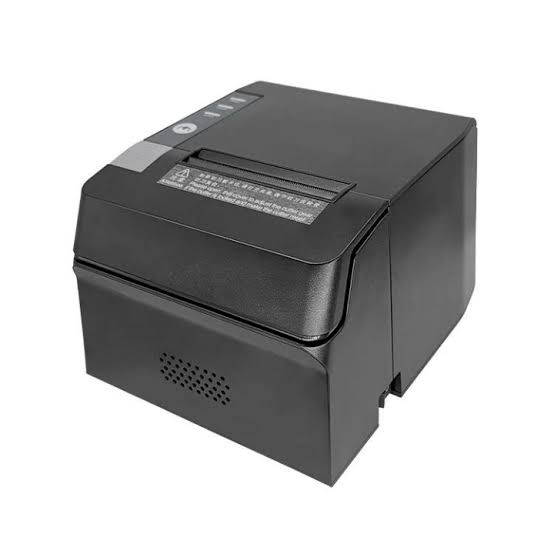
Thermal paper plays an important role in businesses that rely on fast, reliable receipt and document printing. It is commonly used in retail stores, restaurants, supermarkets, banks, transportation services, healthcare facilities, and ticketing systems. Although thermal paper may look similar to ordinary paper, it has a specially treated surface that reacts to heat and produces text or images without requiring conventional ink.
Selecting the right paper involves more than choosing a roll that fits the printer. Paper width, thickness, coating quality, roll dimensions, image durability, and compatibility with the printing technology can all affect performance. Businesses using a Thermal Printer should understand these factors to maintain clear output, avoid paper-feeding problems, and control ongoing printing expenses.
What Is Thermal Paper?
Thermal paper is a specialty paper coated with heat-sensitive chemicals. When it passes through a thermal printer, selected areas of the coating react to heat from the printhead and create visible text, numbers, graphics, or barcodes.
Unlike conventional printing paper, it does not require ink cartridges or toner to produce an image. This makes it suitable for applications that involve frequent, fast printing.
Thermal paper is commonly used for:
- Retail and supermarket receipts.
- Restaurant order tickets.
- ATM and banking transaction records.
- Parking and transportation tickets.
- Shipping and delivery documents.
- Queue management tickets.
- Point-of-sale transaction records.
The correct type depends on the printer model, intended application, and conditions under which the printed material will be handled or stored.
1. Understand the Main Types of Thermal Paper
Before purchasing thermal paper, businesses should understand the different grades and constructions available. Not all thermal paper offers the same sensitivity, durability, or printing performance.
Standard Thermal Paper
Standard thermal paper is commonly used for everyday receipts and short-term transaction records. It is designed to produce readable output under normal operating conditions.
It is generally suitable for retail counters, restaurants, and other businesses where receipts are printed frequently and do not need to remain readable for many years.
Top-Coated Thermal Paper
Top-coated thermal paper has an additional protective layer over the heat-sensitive coating. This layer can improve resistance to moisture, oil, friction, and other environmental influences, depending on the product specifications.
It may be useful in restaurants, supermarkets, and environments where printed receipts are exposed to more frequent handling.
Long-Life Thermal Paper
Some thermal papers are designed to provide better image stability over extended storage periods. Their performance depends on the coating formulation, storage conditions, and exposure to heat, light, and chemicals.
These products may be appropriate for applications where transaction records need to remain readable for longer periods.
Colored or Pre-Printed Thermal Paper
Thermal paper can also be supplied with colored backgrounds, logos, or pre-printed information. Businesses may use it for branded receipts, promotional messages, or ticketing applications.
The pre-printed design should be compatible with the printer’s intended printing area and should not interfere with the readability of important information.
2. Select the Correct Paper Width
<AsyncImage query=”thermal receipt paper rolls different widths 58mm 80mm side by side” aspectRatio=”16:9″ width=”100%”/>
Paper width is one of the most important specifications when purchasing thermal rolls. A roll that is too wide may not fit inside the printer, while one that is too narrow may not work correctly with the device or printing layout.
Common thermal receipt paper widths include:
| Paper Width | Typical Applications |
|---|---|
| 57–58 mm | Compact POS printers, mobile receipt printers |
| 80 mm | Retail counters, restaurants, supermarkets |
| 110 mm and wider | Selected specialized printing applications |
These are common formats rather than universal requirements. Businesses should always check the supported paper width in the printer’s specifications.
Choosing the correct width helps prevent installation problems and ensures that receipts have enough space for transaction details.
3. Check the Roll Diameter and Core Size
Paper width is not the only measurement that matters. The roll’s outer diameter and core size must also match the printer’s paper compartment and holder.
A roll with an excessive diameter may not fit inside the device. Similarly, an unsuitable core size can affect how the roll sits on its holder and how smoothly the paper feeds.
Before purchasing, check:
- Maximum supported roll diameter.
- Required core diameter.
- Paper width.
- Available compartment space.
- Recommended roll length.
For businesses that print large quantities of receipts, selecting an appropriate roll length can reduce the frequency of paper replacement.
4. Consider Paper Thickness and Weight
Thermal paper is available in different thicknesses and weights. These characteristics influence how the paper feels, how it feeds through the printer, and how durable it is during handling.
Thicker paper may feel more substantial and resist tearing under certain conditions. However, it should still fall within the printer’s supported media specifications.
Paper that is too thick may cause feeding difficulties or place additional strain on the mechanism. Very thin paper may be more vulnerable to creasing or tearing.
Businesses should balance paper quality with practical requirements rather than assuming that the thickest option is always the best.
5. Evaluate Thermal Sensitivity and Coating Quality
Thermal sensitivity refers to how effectively the paper coating reacts to heat from the printhead. A suitable coating helps produce clear text and consistent images.
Poor-quality paper may create faded printing, uneven darkness, or inconsistent output across the roll.
When evaluating paper quality, consider:
Coating uniformity: A consistent coating helps prevent light and dark patches.
Heat sensitivity: The paper should react appropriately to the printer’s supported temperature settings.
Surface smoothness: A smooth surface supports consistent contact with the printhead.
Chemical stability: The coating should provide suitable image stability for the intended application.
Printing consistency: Test samples should produce clear and readable text throughout the roll.
Using appropriate paper can help maintain print quality and reduce the need for repeated printing.
6. Choose Paper According to the Printing Application
<AsyncImage query=”thermal printed retail receipts restaurant kitchen tickets parking ticket and shipping label examples” aspectRatio=”16:9″ width=”100%”/>
Different industries have different printing requirements. A paper suitable for short retail receipts may not be ideal for transportation tickets or records that need longer storage.
Retail and Supermarkets
Retail businesses generally need paper that produces clear transaction details, prices, tax information, and payment records.
Standard thermal receipt paper is often sufficient for everyday checkout operations. High-volume stores should also consider roll length and consistent coating quality.
Restaurants and Food Service
Restaurants use thermal paper for customer receipts and kitchen order tickets. In these environments, paper may come into contact with moisture, grease, or frequent handling.
A suitable coated thermal paper can offer additional protection against common environmental influences. Businesses should also verify that the selected paper works with the printer’s operating conditions.
Banking and ATMs
Banks and ATM operators require reliable paper that can produce readable transaction information. Paper quality and storage stability are important because customers may need to keep receipts for reference.
Businesses should select paper according to their equipment requirements and any applicable recordkeeping policies.
Transportation and Parking
Transportation services and parking facilities use thermal paper for tickets, payment records, and entry documents.
These applications may involve frequent handling and exposure to outdoor conditions. Paper with suitable protective properties can help maintain readability during its intended period of use.
Healthcare Facilities
Healthcare organizations may use thermal paper for queue tickets, transaction records, and selected administrative documents.
Where printed information must remain readable for extended periods, businesses should carefully evaluate the paper’s image stability and applicable recordkeeping requirements.
7. Consider Image Durability and Storage Conditions
Thermal printing creates images through a heat-sensitive chemical reaction. As a result, printed information can be affected by environmental conditions.
Exposure to excessive heat, direct sunlight, friction, moisture, and certain chemicals may cause images to fade or change over time.
When choosing thermal paper, consider how long the printed information needs to remain readable.
For short-term receipts, standard thermal paper may be appropriate. For records that require greater durability, businesses should consider specially designed paper and confirm its performance specifications with the supplier.
Proper storage also matters. Unused thermal paper should generally be kept in a cool, dry place away from direct sunlight and excessive heat. Follow the manufacturer’s storage recommendations to help preserve coating performance.
8. Match Thermal Paper to the Printer Technology
Not every heat-sensitive material is suitable for every thermal printing application.
Direct thermal printers use specially coated paper or labels that react directly to heat. Thermal transfer printers use a ribbon to transfer ink onto compatible media.
These technologies require different materials.
| Feature | Direct Thermal Paper | Thermal Transfer Media |
|---|---|---|
| Printing method | Heat activates the coating | Ribbon transfers ink |
| Ribbon requirement | No | Yes |
| Common applications | Receipts and temporary labels | Durable labels and identification tags |
| Media selection | Must be heat-sensitive | Must be compatible with the selected ribbon |
| Image durability | Depends on coating and exposure | Depends on ribbon and substrate combination |
Businesses should check the printer’s specifications before ordering supplies. Using unsuitable media can cause poor printing results, feeding issues, or unnecessary equipment maintenance.
9. Check Paper Compatibility and Printer Specifications
Paper compatibility is essential for reliable operation. Even high-quality thermal paper may produce poor results if its dimensions or coating are unsuitable for the printer.
Before purchasing, review the following details:
- Supported paper width and thickness.
- Maximum roll diameter.
- Required core dimensions.
- Compatible media types.
- Printhead specifications.
- Recommended paper grades.
- Operating temperature and environmental requirements.
It is also useful to test a sample roll before placing a large order. This helps confirm that the paper feeds correctly and produces the required print quality.
10. Understand the Relationship Between Paper Quality and Printhead Life
<AsyncImage query=”thermal receipt printer printhead close up cleaning maintenance” aspectRatio=”16:9″ width=”100%”/>
Thermal paper comes into direct contact with the printhead during printing. Its surface quality and cleanliness can influence the condition of the printing mechanism.
Poor-quality paper may contain uneven coatings or excessive dust, which can contribute to inconsistent printing and additional cleaning requirements.
To support equipment performance:
- Use paper that meets the printer manufacturer’s specifications.
- Avoid rolls with damaged or contaminated edges.
- Store paper in suitable conditions.
- Clean the printhead according to manufacturer instructions.
- Inspect the platen roller regularly.
- Replace paper rolls before they become damaged or difficult to feed.
Good media selection cannot eliminate normal printhead wear, but it can help prevent avoidable problems caused by unsuitable supplies.
11. Evaluate Environmental and Sustainability Considerations
Businesses increasingly consider the environmental impact of their printing supplies. Thermal paper selection can influence material use, waste management, and purchasing decisions.
Some manufacturers offer thermal paper products designed with specific chemical and environmental requirements. Buyers should review product documentation rather than relying on general sustainability claims.
Useful considerations include:
Responsible sourcing: Check whether suppliers provide information about the origin of their paper materials.
Chemical composition: Review available information about coating ingredients and relevant regulatory requirements.
Waste reduction: Select appropriate roll sizes and printing layouts to reduce unnecessary paper use.
Packaging: Consider whether suppliers use packaging that minimizes excess material.
Storage and shelf life: Purchase quantities that can be used within the recommended storage period to avoid unnecessary waste.
Businesses should also follow local requirements for paper disposal and recycling, as thermal coatings may affect how certain products can be processed.
12. Common Mistakes to Avoid When Buying Thermal Paper
Selecting thermal paper without checking technical requirements can lead to printing problems and additional expenses.
Choosing Paper Based Only on Price
Low-cost paper may have inconsistent coating quality or unsuitable dimensions. A slightly more expensive product may provide better printing consistency and reduce waste.
Ignoring Roll Dimensions
Paper width, outer diameter, and core size must match the printer. Always check the equipment specifications before purchasing.
Overlooking Storage Requirements
Thermal paper can deteriorate when exposed to heat, sunlight, and moisture. Poor storage conditions may affect printing quality even before the roll is installed.
Using the Wrong Paper Type
Direct thermal and thermal transfer printing require different media. Confirm the printer technology before selecting supplies.
Ordering Large Quantities Without Testing
A paper roll may appear suitable but perform poorly during actual printing. Sample testing helps identify compatibility issues before a bulk purchase.
13. How to Test Thermal Paper Before Bulk Purchasing
Testing sample paper is a practical way to evaluate its suitability for business operations.
A basic testing process can include:
- Check physical dimensions: Confirm the width, diameter, and core size.
- Install a sample roll: Make sure the paper fits correctly and feeds smoothly.
- Print a test receipt: Examine text clarity, darkness, and consistency.
- Check barcode readability: Scan printed barcodes if the application requires them.
- Evaluate handling: Check whether the paper tears easily or develops unwanted creases.
- Review image stability: Store sample prints under representative conditions and observe changes over the required period.
- Compare suppliers: Evaluate consistency, availability, and product specifications.
Testing under real operating conditions provides a more reliable basis for purchasing decisions than relying on product descriptions alone.
14. Tips for Managing Thermal Paper Inventory
Businesses that print frequently should maintain an organized supply of thermal paper to avoid unexpected shortages.
An effective inventory system can include:
- Tracking average daily or weekly paper consumption.
- Setting minimum stock levels.
- Recording roll dimensions and product specifications.
- Rotating stock so older supplies are used appropriately.
- Storing rolls away from heat, moisture, and sunlight.
- Ordering from suppliers that can provide consistent product specifications.
For organizations with several locations, standardizing compatible paper sizes can simplify purchasing and inventory management.
Conclusion
Choosing the right thermal paper is essential for maintaining clear printing, reliable equipment operation, and efficient business workflows. Factors such as paper width, roll diameter, thickness, coating quality, thermal sensitivity, and image durability all influence whether a particular product is suitable for an application.
Retail stores may need standard receipt rolls, while restaurants, transportation providers, and healthcare facilities may require paper with additional performance characteristics. Businesses should always match the paper to their printer specifications and intended use.
By testing samples, purchasing compatible materials, and following proper storage and maintenance practices, organizations can reduce printing problems, limit unnecessary waste, and maintain consistent thermal printing performance.