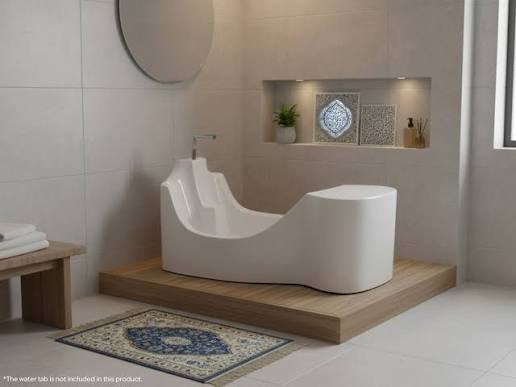
Choosing the right wudu basin for your bathroom can make daily ablution more comfortable, convenient, and hygienic. Unlike a standard bathroom sink, a basin intended for ablution should provide sufficient washing space, an appropriate height, and a practical design that supports regular use. Whether you are renovating a family bathroom or creating a dedicated prayer area, selecting the right fixture requires careful consideration of size, material, installation, and maintenance.
A well-chosen basin can also complement your bathroom’s interior while making efficient use of available space. By understanding the different designs and their features, you can find an option that meets your household’s needs without compromising functionality or appearance.
Understand Your Ablution Requirements
Before purchasing a basin, consider who will use it and how frequently it will be needed. A basin for a small household may have different requirements from one installed in a bathroom shared by several family members.
Think about the washing position, the space required for foot washing, and whether users would benefit from a seated arrangement. Older adults and people with limited mobility may need a basin with accessible controls, suitable clearance, or a stable seating option.
If the basin will be installed in a shared bathroom, make sure it does not interfere with the toilet, shower, or other fixtures. A practical layout should allow users to move comfortably while keeping the surrounding area safe and easy to clean.
Choose the Right Wudu Basin Design
The basin’s design influences how much space it occupies, how it is installed, and how conveniently it can be used.
Wall-Mounted Wudu Basins
Wall-mounted basins are useful for bathrooms where floor space is limited. Because they do not require a floor-standing pedestal, they can create a more open appearance and make cleaning beneath the fixture easier.
These basins are available in various sizes and shapes, allowing homeowners to select a model that suits their bathroom layout. However, the wall must provide adequate structural support, and the installation should follow the manufacturer’s mounting requirements.
Floor-Standing Wudu Basins
Floor-standing models may be suitable for larger bathrooms or dedicated ablution areas. Their base can provide support according to the product’s design, and some styles complement traditional bathroom interiors.
However, these basins generally occupy more floor space. Consider the complete footprint, including the area needed to approach the basin comfortably.
Compact and Corner Basins
For smaller bathrooms, compact or corner-mounted designs can make better use of available space. These options may fit into narrow areas without obstructing the main walking path.
Before choosing a compact model, check that the basin provides enough usable space for washing. A fixture that is too shallow or narrow may cause splashing and make daily ablution less comfortable.
When comparing a Wudu Basin, consider its dimensions, shape, mounting method, and suitability for your intended washing position.
Select a Durable and Easy-to-Clean Material
Material selection affects the basin’s appearance, durability, and long-term maintenance requirements. Since ablution involves frequent water exposure, choose a material designed for bathroom use and compatible with regular cleaning.
Common options include:
- Ceramic: A popular choice because glazed ceramic surfaces are generally easy to clean and suit many bathroom styles. However, ceramic can chip or crack when subjected to significant impact.
- Porcelain: Properly manufactured porcelain typically offers a smooth, nonporous surface that resists ordinary staining and simplifies routine cleaning.
- Solid surface: This material can provide a contemporary appearance and may allow certain scratches to be repaired, depending on the product.
- Natural stone: Stone creates a distinctive finish, but some varieties require sealing and specialized cleaning products.
For most residential bathrooms, ceramic and porcelain are practical options. If you prefer a customized or premium appearance, solid surface or natural stone may also be worth considering.
Always review the manufacturer’s care instructions before purchasing, particularly if the basin will be exposed to frequent cleaning or hard water.
Measure Your Bathroom Before Buying
Accurate measurements help prevent installation problems and ensure the basin fits comfortably within the available space.
Measure the width and depth of the intended installation area. Also check the distance from nearby fixtures, doorways, and storage units. Remember to allow sufficient clearance for users to approach the basin and move safely while washing.
The basin’s height is equally important. A fixture positioned too high or too low may cause unnecessary bending or reaching. Consider the needs of everyone in the household when determining the most suitable installation height.
If you plan to install a wall-mounted basin, confirm that the wall can support the fixture and that the water supply and drainage connections are appropriately positioned.
Consider Faucet Placement and Water Efficiency
A suitable faucet makes ablution easier by providing convenient access to water and helping control splashing. Its height, reach, and flow rate should be compatible with the basin’s dimensions.
A faucet that is positioned too close to the edge may cause water to splash onto the floor, while one with insufficient reach may make washing uncomfortable. Check the relationship between the faucet and the usable washing area before finalizing your choice.
Water-efficient faucets can help reduce unnecessary consumption, especially in households where several people perform ablution throughout the day. However, the flow should remain adequate for comfortable washing.
For installations involving new plumbing, consult a qualified plumber to confirm compatibility with existing supply lines, drainage, and any required fittings.
Prioritize Comfort and Accessibility
A good wudu basin should be comfortable for its intended users. Basin depth, height, faucet controls, and available legroom all contribute to the overall experience.
In family bathrooms, consider whether children and adults can use the basin comfortably. In homes with older adults or people with limited mobility, accessible controls, stable seating, and suitable support features may be helpful.
If the basin is designed for seated ablution, ensure that the seat is stable and that the washing area provides sufficient clearance. Avoid layouts that force users to stretch awkwardly or place themselves in an unstable position.
Accessibility should be considered during the planning stage rather than added only after installation.
Evaluate Cleaning and Maintenance Requirements
A basin used daily needs regular cleaning to remain hygienic and attractive. Smooth surfaces and simple shapes can make routine maintenance easier.
Before purchasing, consider whether the drain, faucet connections, and mounting hardware will be accessible for inspection and repairs. A design that conceals every plumbing component may look neat but could require more work when maintenance is needed.
To keep the basin in good condition:
- Clean the basin and faucet regularly with compatible products.
- Wipe away excess water to reduce mineral deposits.
- Avoid abrasive cleaners unless approved for the surface.
- Inspect drains and plumbing connections for blockages or leaks.
- Follow the manufacturer’s maintenance recommendations.
These simple practices can help extend the fixture’s service life and maintain a clean ablution area.
Compare Price, Quality, and Long-Term Value
The cheapest basin is not necessarily the most economical choice over time. Purchase price, installation costs, durability, cleaning requirements, and repair expenses should all be considered.
A straightforward ceramic basin may provide excellent value for a typical household, while a customized solid-surface design may suit a bathroom with specific aesthetic or functional requirements.
Before making a purchase, review the product dimensions, material specifications, warranty coverage, and installation instructions. Check whether replacement parts and professional repair services are available if needed.
Comparing products based on their total ownership cost can help you choose a basin that fits your budget without sacrificing essential features.
Common Mistakes to Avoid When Choosing a Wudu Basin
Several mistakes can reduce the comfort and practicality of a bathroom ablution area.
Choosing the wrong size: A basin that is too large can overcrowd the bathroom, while one that is too small may restrict washing movements.
Ignoring drainage: Poor drainage can result in standing water, unpleasant odors, or repeated blockages.
Overlooking installation requirements: Wall-mounted models require suitable support, while floor-standing models need an appropriate installation surface.
Focusing only on appearance: A visually attractive basin may not provide the depth, height, or faucet placement needed for comfortable use.
Neglecting accessibility: A design that works for one person may be inconvenient for other household members.
Taking time to evaluate these factors before purchasing can prevent unnecessary modifications and additional costs.
Conclusion
Selecting the best wudu basin for your bathroom involves balancing comfort, dimensions, material quality, water efficiency, and maintenance requirements. Wall-mounted and compact designs are often useful for smaller bathrooms, while larger floor-standing models may suit dedicated ablution areas.
Ceramic and porcelain offer practical, easy-to-maintain options for many households, while other materials can provide additional design flexibility. By measuring your space, considering the needs of your users, and reviewing installation requirements, you can choose a basin that supports comfortable daily ablution and remains functional for years to come.