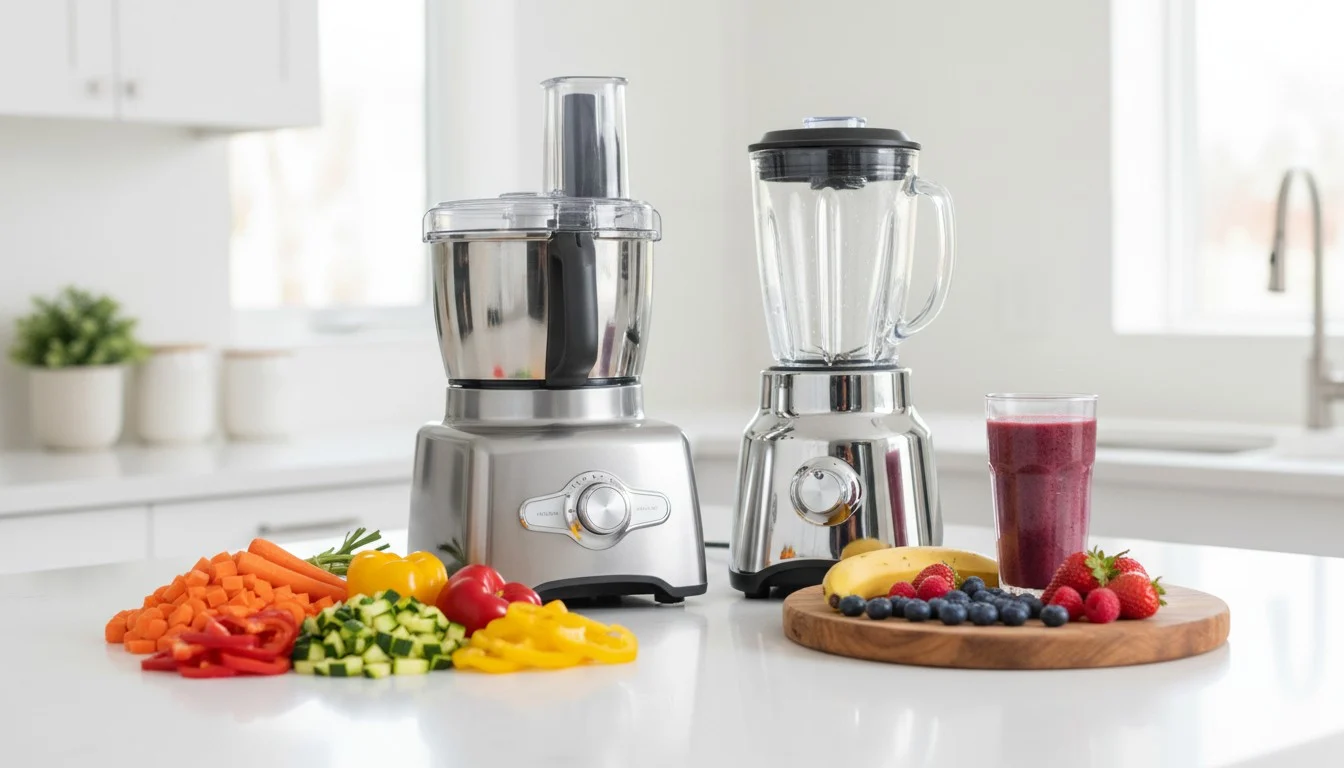
Energy-efficient small kitchen appliances are becoming an important part of modern homes. They help reduce electricity consumption while delivering reliable performance for everyday cooking tasks. Choosing appliances with energy-saving features not only lowers utility costs but also supports a more sustainable lifestyle.
When comparing different options, it’s helpful to explore various small kitchen appliance brands to understand the available features, appliance categories, and energy-saving technologies. Making informed choices ensures you invest in products that balance performance with efficiency.
Why Energy Efficiency Matters
Energy-efficient appliances are designed to perform everyday tasks while using less electricity. Over time, this can lead to lower energy bills and reduced environmental impact.
Some key advantages include:
- Lower electricity consumption
- Reduced operating costs
- Improved environmental sustainability
- Consistent cooking performance
- Longer appliance lifespan when properly maintained
Check the Energy Rating
One of the first things to consider is the appliance’s energy rating. Products with higher efficiency ratings are generally designed to consume less power without sacrificing performance.
Comparing energy information before purchasing helps you identify more economical options.
Choose the Right Size
Larger appliances often consume more electricity than necessary for small households. Selecting an appliance that matches your cooking needs helps avoid unnecessary energy use.
Compact appliances are also easier to store and fit well in smaller kitchens.
Look for Automatic Shut-Off Features
Automatic shut-off functions improve both safety and energy efficiency. These features turn the appliance off once the task is complete, preventing unnecessary electricity consumption.
This is especially useful for appliances used daily.
Consider Fast Heating and Cooking
Appliances that heat up quickly or complete tasks faster generally consume less electricity overall. Efficient performance means less waiting time and reduced energy usage.
This also makes meal preparation more convenient.
Multi-Function Appliances Save More
Multi-purpose appliances combine several functions into one unit, reducing the need to operate multiple devices.
Examples of combined functions include:
- Mixing and blending
- Chopping and slicing
- Steaming and cooking
- Baking and reheating
Using fewer appliances can help reduce both energy consumption and kitchen clutter.
Pay Attention to Build Quality
Well-constructed appliances often operate more efficiently because their components are designed for consistent performance. Durable materials also help maintain efficiency over a longer lifespan.
Quality construction reduces the likelihood of frequent replacements.
Easy Maintenance Improves Efficiency
Regular cleaning helps appliances perform at their best. Dust, food residue, and blocked vents can reduce efficiency and force appliances to use more energy.
Simple maintenance habits include:
- Cleaning removable parts after use
- Wiping exterior surfaces regularly
- Checking power cords for wear
- Following the manufacturer’s maintenance instructions
Match Appliances to Your Lifestyle
Buying appliances that fit your cooking habits helps avoid unnecessary energy use. If you prepare simple meals, choose appliances designed for everyday convenience rather than oversized models with features you rarely use.
Selecting practical appliances often leads to better long-term efficiency.
Think About Long-Term Savings
While some energy-efficient appliances may have a higher purchase price, they can reduce electricity consumption over time. Lower operating costs and dependable performance often make them a worthwhile investment.
Focusing on long-term value helps you make smarter purchasing decisions.
Conclusion
Choosing energy-efficient small kitchen appliances is a practical way to reduce electricity usage, save money, and create a more sustainable kitchen. By considering factors such as energy ratings, appliance size, automatic shut-off features, durability, and maintenance requirements, you can select appliances that provide reliable performance while supporting efficient everyday cooking.